Blog
Pay Yourself First: How and Why to Prioritize Savings
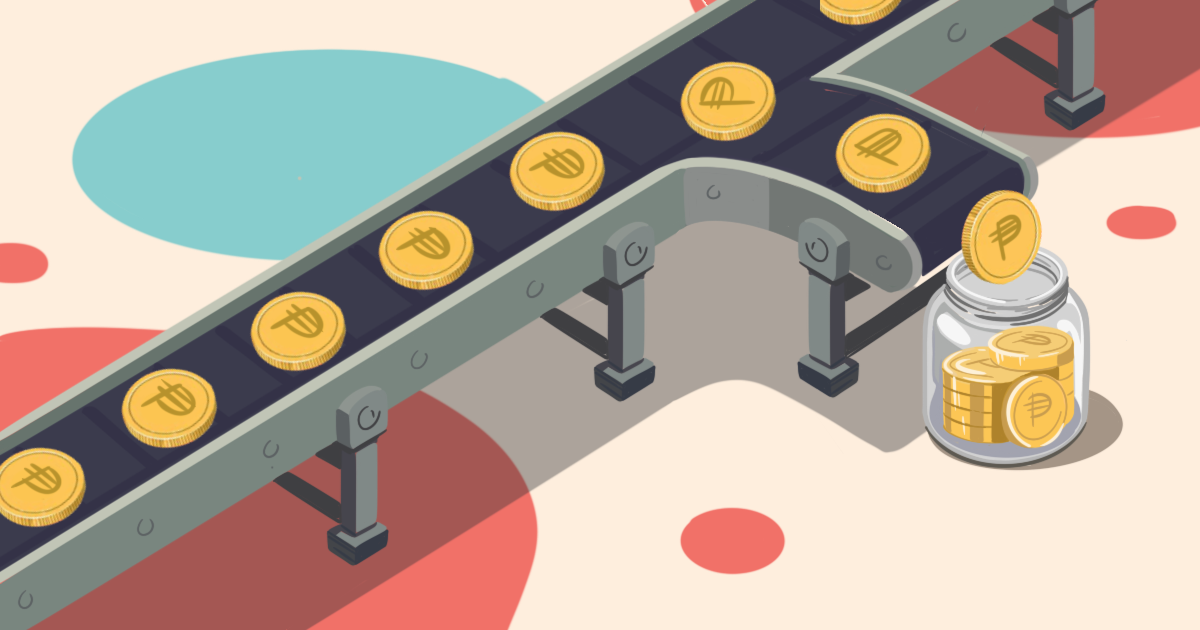
Saving money can be hard when your expenses come first. Bills, food, transport, family support, loan payments, and small daily expenses can quickly use up your income. By the time you check what is left, you may find that you have little to no funds to set aside.
One way to make saving easier is to give it a place earlier in your budget. This is the idea behind the method of paying yourself first.
Paying yourself first means setting aside part of your income for your savings before you start spending. You do not need a big amount to begin. Even ₱100, ₱300, or ₱500 per payday can help if you do it regularly. The goal is to build a savings habit that fits your real budget, not to force a perfect plan right away.
What does pay yourself first mean?
To make it simple, to “pay yourself first” means saving before you spend what remains.
When you receive your salary, allowance, commission, business income, or other earnings, you immediately set aside a fixed amount for your savings. After that, you use the rest for bills, food, transport, and other needs.
It does not mean ignoring your responsibilities. Rent, groceries, utilities, debt payments, and family needs still matter. The difference is that your savings goal also gets a place in your budget from the start.
Many people try to save only what is left at the end of the month. That can work for some, but it is difficult when expenses change or unexpected costs come up. This principle changes the order. Instead of waiting to see if you can save, you decide that saving is already part of your plan.
Why pay yourself first matters
This habit helps because your savings no longer depend only on what is left at the end of the month.
If your savings stay in the same account you use for daily expenses, it becomes easy to spend them without noticing. A few extra meals out, delivery fees, online orders, or unplanned purchases can slowly reduce the amount you meant to keep.
Moving your savings first helps protect the money before regular spending begins. It also removes one difficult question from your month. Instead of asking, “Can I still save?” you already know that you did.
This can help you prepare for needs and goals that matter to you, such as:
an emergency fund
school expenses, medical costs, or home needs
planned purchases
long-term goals
better control over your monthly budget
Over time, it can also help you manage your money better because you decide which expenses come first before your schedule gets busier.
Take note that this is not a quick fix, so it will not make a tight budget easy to manage overnight. But paying yourself first can help you create a routine, especially if saving has always felt like something you do only when there is extra money.
How does "pay yourself first" work?
Once the idea is clear, the next question is how it works in your monthly budget.
Many people budget this way: Income – expenses = savings
The “pay yourself first” formula changes the order: Income – savings = money for expenses
For example, if your take-home pay is ₱25,000 and you decide to save ₱1,000 right away, you now have ₱24,000 for expenses. You can build your spending plan around that amount.
It looks small on paper, but it changes how you handle your money. Your savings are no longer competing with every other cost at the end of the month. They are already protected before spending starts.
Example of how to pay yourself first
To make that easier to picture, here is a monthly example in pesos.
Let us say you earn ₱30,000 a month. You decide to save 10%, or ₱3,000, when you receive your pay.
Your budget starts like this: ₱30,000 income – ₱3,000 savings = ₱27,000 for expenses
You can divide the ₱3,000 based on your savings goals:
₱1,500 for an emergency fund
₱1,000 for a planned purchase
₱500 for long-term savings
If ₱3,000 feels too much, choose a smaller amount. You might save ₱500 a month first, or ₱250 every payday. If your income changes from month to month, use a percentage instead of a fixed amount.
The best amount is one you can repeat. A small habit that continues is better than a big target that stops after one month.
How much should you pay yourself first?
Your savings amount matters, but it does not have to be perfect on your first try.
Many financial guides mention 10% to 20% of income as a common savings target. That can be helpful as a goal, but it is not a rule everyone must follow right away.
Your starting amount should depend on your actual situation. Consider your income, basic expenses, family responsibilities, debt payments, and emergency costs.
You may begin with:
a fixed amount, such as ₱100, ₱300, or ₱500 per payday
a small percentage of income, such as 1% to 5%
a higher amount during months when you earn more
a lower amount during months when your budget is tight
If you are just starting, choose an amount that feels realistic for you. You can increase it later when your budget has more room.
How to pay yourself first
Once you know your amount, the next step is making it easy to repeat. Here are a few ways to pay yourself first without making your budget more complicated.
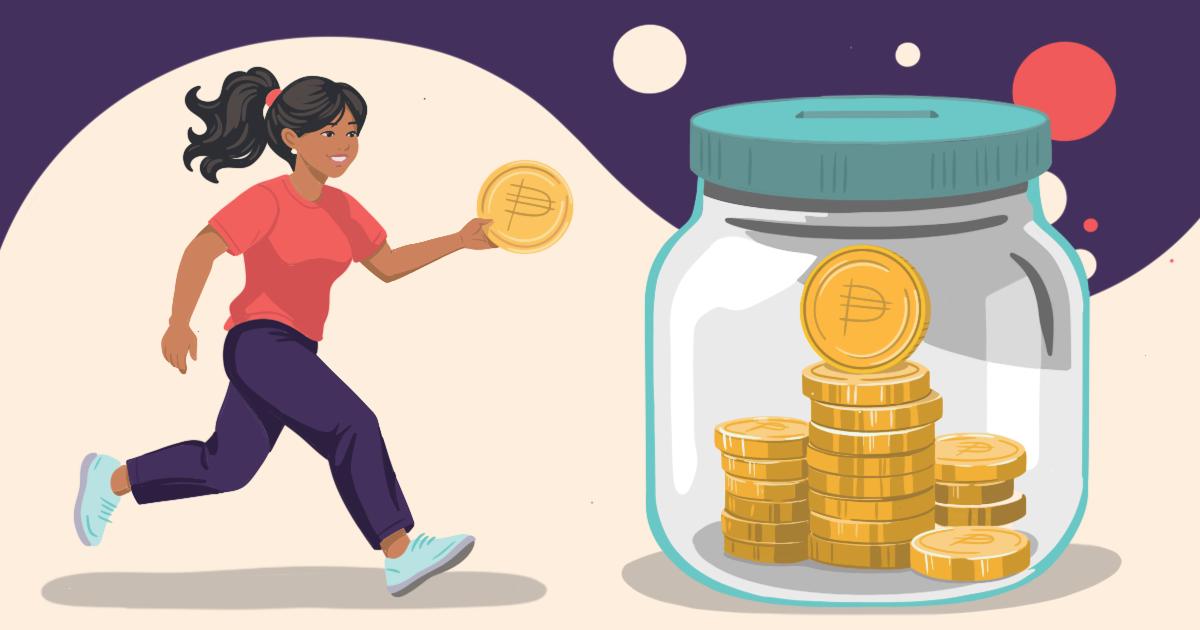
Start saving on your payday
Set aside your savings as soon as you receive money during payday. For example, if you are paid twice a month, save twice a month. If your income comes in weekly or per project, save when the money comes in.
Avoid waiting until the end of the month if you can. By then, your other expenses may have already used up the money.
Keep your savings in a separate account
Use a savings account or another place for savings if possible. This helps you avoid mixing savings with spending money.
When everything is in one place, it is harder to know which money is safe to use. When your savings are separate, your progress is easier to see.
Make it easier with automatic transfers
If your bank or app allows automatic transfers, set one for every payday. This makes saving easier because you do not have to rely on memory or motivation.
If you cannot automate it, set a reminder. The important part is to move the money before you start spending.
Name your savings goal
Your savings are easier to protect when they have a clear purpose. Instead of calling the money “extra,” give it a name. It can be:
emergency fund
tuition fund
medical fund
home repair fund
business fund
future purchase fund
A clear goal makes it easier to say no when the money is meant for something else.
Where should you keep your money?
Once your money is set aside, the next question is where to keep it.
For your emergency fund, choose a place that is easy to access, such as a savings account or another account you can withdraw from when needed. Emergency money is for urgent needs, such as medical costs, sudden repairs, job loss, or family needs. It should not be difficult to access when you truly need it.
For savings you do not expect to use right away, you can consider a time deposit. A time deposit keeps your money for a set term, which can help if you want to separate it from daily spending.
Using Salmon Time Deposit for longer-term savings
If your savings are for a goal that is months or years away, Salmon Time Deposit may be worth considering. Salmon Time Deposit starts at ₱5,000, with terms you can choose based on how long you want to set the money aside. Deposits are insured by the Philippine Deposit Insurance Corporation up to ₱1 million per depositor. Salmon Bank (Rural Bank) Inc. is regulated by the Bangko Sentral ng Pilipinas.
Consider a time deposit only for money you do not expect to need right away. If you withdraw before maturity, your interest may change and fees may apply. Before applying, check the latest terms, taxes, fees, and requirements so you know what to expect.
Start saving with Salmon Time Deposit. Set aside money for goals you do not need to touch right away, with flexible terms and an application you can start through Salmon.Start your Salmon Time Deposit application today
Pay yourself first vs. saving what is left
The “pay yourself first” strategy is different from the usual way of saving, where you spend first and save what remains. That usual approach can be difficult because expenses often grow to fill your available money.
This way of budgeting works the other way around. You save first, then plan your spending using what is left.
This does not mean you stop enjoying your money. It means you decide your savings goal before other spending decisions begin. You can still budget for food, transport, bills, personal needs, and small wants. The difference is that your savings no longer come last.
When this method may be hard to follow
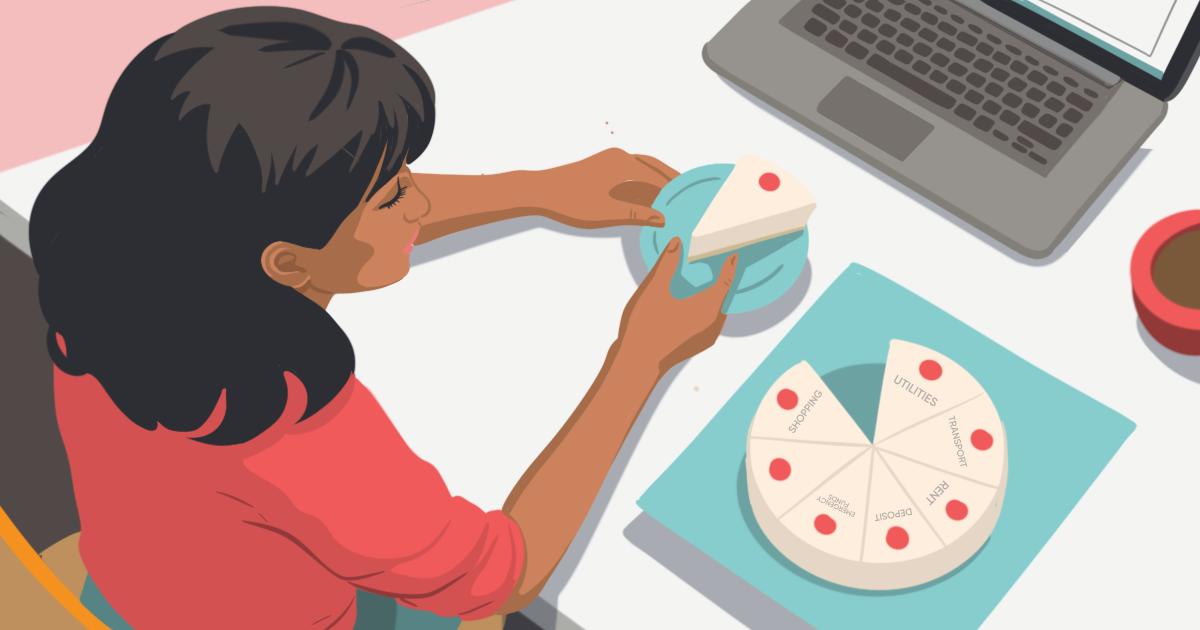
It's also important to be honest about the disadvantages of a pay yourself first budget. For example, if your income is not enough for basic expenses, saving first may feel impossible. If you have overdue bills, high-interest debt, or urgent payments, you may need to focus on those first.
That does not mean this approach is not for you. It may only mean that you need a smaller version that fits your current situation.
For example, you can:
Save ₱50 or ₱100 per payday
Save only during months when your income is higher
Save a small percentage instead of a fixed amount
Focus on debt repayment while keeping a small emergency fund
The point is not to copy someone else’s exact budget. Instead, it's to build a habit that fits your income and personal responsibilities.
How to start paying yourself first this payday
A simple payday plan to pay yourself first can look like this:
Check how much money you actually receive
List your basic expenses
Choose a savings amount you can repeat
Move that amount as soon as you get paid
Budget the remaining money
Review your amount after a few months
If the first amount you want to set aside is small, that is okay. While the amount you save matters, making saving itself a habit is just as important.
Final thoughts: start with what you can repeat
The idea behind paying yourself first is not about saving perfectly. Instead, it's about making savings part of your income from the beginning. You can start small, adjust when your budget changes, and then increase the amount when your expenses become lighter or more manageable.
What matters most is giving your savings a place every month before your month gets more hectic. When you save first, you give your future needs a place in your current budget.
Frequently asked questions (FAQs)
What is "pay yourself first"?
It means saving part of your income before spending on other expenses. You set aside money for your goals first, then use the rest for bills, daily needs, and other spending.
What is the "pay yourself first" method?
It is a savings-first approach to budgeting. Instead of saving what is left at the end of the month, you save as soon as you receive your income.
How does "pay yourself first" work?
You subtract savings from your income first, then use the remaining amount for expenses. This helps make saving part of your budget from the start.
Why should you pay yourself first?
You should pay yourself first because it helps protect your savings before daily expenses use up your income. It can also make saving feel more like a regular habit than an afterthought.
How much should you pay yourself first?
A common target is 10% to 20% of income, but you can start with any amount you can repeat. If your budget is tight, start with a smaller fixed amount or a small percentage.
Can you give me a simple example of paying yourself first?
For instance, if you earn ₱30,000 and save ₱3,000 right away, you have ₱27,000 left for expenses. Instead of waiting until the end of the month to see whether there is anything left to save, you treat that ₱3,000 as a priority from the start.
You can then plan your bills, groceries, transport, and other expenses around the remaining ₱27,000. This approach helps you reduce the temptation to spend money that was meant for your savings goals. This is because an amount has already been set aside before your regular spending begins.
Is "pay yourself first" a budgeting method?
Yes, it is a budgeting method because it puts your savings before spending. It is sometimes called reverse budgeting because savings are set aside at the beginning of your budgeting process instead of the end.
What are the disadvantages of a pay yourself first budget?
It can be hard to do the "pay yourself first" method if you have an irregular income, a very tight budget, or urgent debt payments. If that is your situation, you can start with a small amount that fits your budget and increase it when you have more room to save.
25.05.2026