Blog
The Power of Compound Interest: How It Works and Why Starting Early Matters
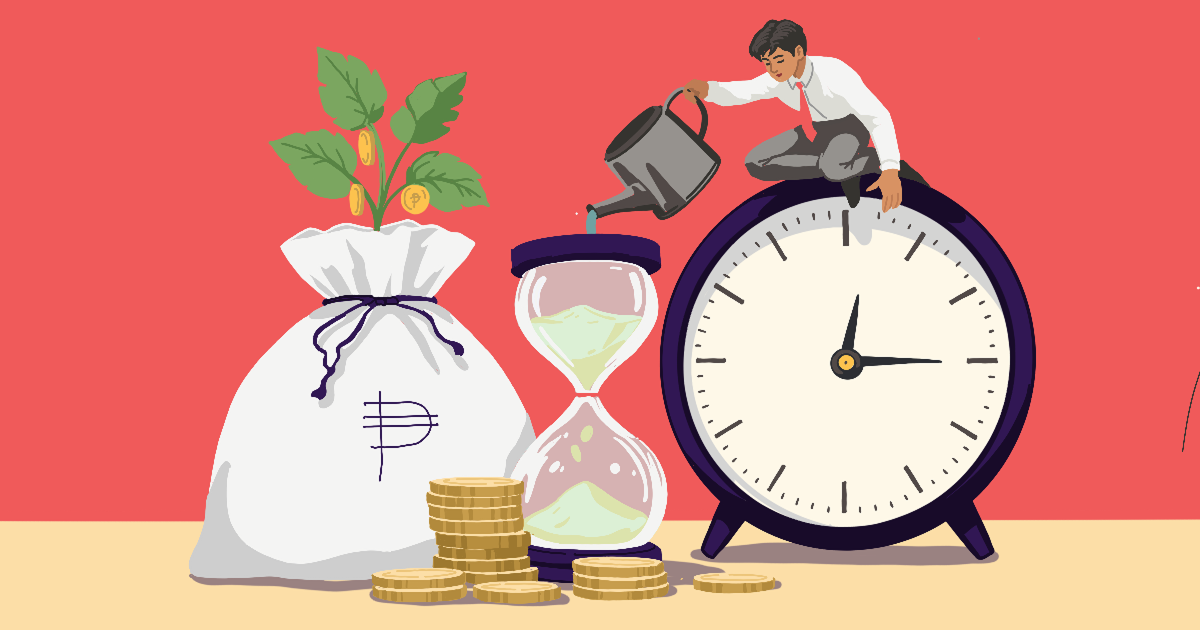
Compound interest is one of those money ideas you may have heard about but have not fully explored yet. It might seem quite technical at first, but it is actually simpler than it sounds. It explains why your savings can grow faster over time when you leave your interest in the account instead of taking it out. In simple terms, compound interest means earning interest on your original money and on the interest already added. Your money earns, then your earnings can also earn.
If you’ve ever thought about saving for something long-term, like an emergency fund, tuition, retirement, or even a future home, you may have wondered if starting small is enough. The good news is that you do not need a large amount to begin. With time, consistency, and the right place to keep your money, even small savings can build into something more. Here’s how compound interest works and why starting early can make a real difference.
What is compound interest?
Compound interest means interest earned on both your starting amount and the interest already added to it. Here’s a sample scenario:
For example, you place ₱10,000 in a bank account that earns 5% per year, compounded annually. After one year, your money earns ₱500. Your balance then becomes ₱10,500.
In the second year, the 5% interest is no longer based only on the original ₱10,000. It is based on ₱10,500. You earn ₱525 instead of ₱500.
That extra ₱25 may look small. But over a few more years, the difference can grow because the balance keeps getting larger. A simple compound interest definition is: interest that earns more interest. This means that the longer your money stays in the account or investment, the more chances it has to grow.
How does compound interest work?
Compound interest works by adding interest to your balance at regular times. The schedule can be yearly, quarterly, monthly, or daily, depending on the account or financial product.
Here is a basic example using ₱10,000 at 5% interest, compounded annually:
Year 1 – ₱10,000 earns ₱500, ending at ₱10,500
Year 2 – ₱10,500 earns ₱525, ending at ₱11,025
Year 3 – ₱11,025 earns ₱551.25, ending at ₱11,576.25
With simple interest, the same 5% would apply only to the original ₱10,000 each year. You would earn ₱500 every year. After three years, your total would be ₱11,500. The difference after three years is ₱76.25. That may not feel large yet. Over 10, 20, or 30 years, the gap can become more noticeable.
That is the power of compound interest. Growth starts slowly, then becomes easier to see as interest keeps adding to a larger balance.
Simple interest vs. compound interest
Simple interest is based only on the starting amount, also called the principal. If your principal is ₱10,000 and the interest rate is 5% per year, you earn ₱500 each year.
Compound interest is based on the principal plus previous interest. The base amount grows as interest gets added. Here is the main difference:
Simple interest – Interest is calculated only on your original money
Compound interest – Interest is calculated on your original money and the interest already earned
Both types can appear in financial products. Simple interest is easier to compute. Compound interest can be useful for long-term savings or investing, but it can also work against you when applied to unpaid debt.
What affects the final amount?
Several factors affect how much compound interest can grow:
Starting amount – A bigger starting balance gives interest a larger base
Interest rate – A higher rate can increase growth, but it may come with different terms or risks
Time – More years give compounding more chances to work
Contributions – Adding money regularly increases the balance that can earn
Compounding period – The schedule for adding interest to your balance
A compounding period means how often interest is added to your balance. Compounded annually means interest is added once a year. Monthly compounding means interest is added every month.
A shorter compounding period can increase the final amount, but the result still depends on the rate, term, fees, taxes, and product rules. Always check the terms before assuming that more frequent compounding will give a much larger return.
Why compound interest can help your money grow over time
The main benefit of compound interest is that it rewards time and consistency. Previous earnings become part of the balance, so future interest may be based on a larger amount.
Many people call this the power of compounding. The idea is not about getting rich quickly. It is about letting steady growth build over time.The advantages of compound interest become easier to understand when you connect them to everyday money habits:
It helps small amounts grow – Modest savings can build up when added regularly
It supports long-term goals – Education, retirement, a future home, or emergency savings may need years of preparation
It encourages consistency – Regular saving becomes more meaningful when earnings are added back
It can reduce future pressure – Starting earlier may lower the amount you need to set aside later
The benefits of compound interest still depend on the account, rate, fees, taxes, product terms, and how long you can keep the money saved or invested. Compounding can help, but good product choices and steady habits still matter.
Time makes a big difference
Time is often the most important part of compound interest. A person who starts early gives each peso more years to earn.
Imagine two people saving for a long-term goal. In this example, we have Ana and Ben. Ana starts setting aside ₱1,000 a month at age 25. Ben starts doing the same at age 35. They both save consistently and earn the same average return, and they both continue until age 60.
At first, the difference does not seem obvious. But over time, those extra 10 years start to matter. By the time they reach age 60, Ana could have around ₱1,000,000 or more, while Ben may have around ₱500,000 to ₱600,000, even though they saved the same amount each month.
The difference comes down to time. Ana did not just save for more months. Her earlier contributions had more time to stay in the account and earn interest or returns.
How does the age that a person starts saving impact the amount they can earn in compound interest? The earlier the person starts, the longer each peso can stay in the account or investment. More time can mean more compounded growth.
Why starting early can matter more than starting big
Many people delay saving or investing because they feel their starting amount is too small. That feeling is understandable, especially when bills, family needs, and daily expenses take priority.Compound interest shows why starting small can still help.
What is the advantage of starting to invest at a young age? The biggest advantage is time. Young savers and investors can give their money more years to receive earnings, recover from slow periods, and build a larger balance.
Starting early does not mean ignoring your needs today. It means building the habit as soon as your budget allows. Even ₱500 or ₱1,000 a month can help you practice consistency.
Starting big helps because a larger amount gives interest a larger base. Starting early helps because the money has more years to grow. When both are possible, growth can be stronger. When only one is possible, time is still a useful place to begin.
Where people commonly encounter compound interest
Compound interest can appear in different financial products. You may see it in savings accounts, time deposits, investment products, and some types of debt.
For savings and investing, compounding can help your money grow. For debt, compounding can make unpaid balances grow faster. The same concept can help or hurt, depending on whether you are earning interest or being charged interest.
In the Philippines, the same idea applies when you compare savings accounts, time deposits, and long-term investment options. Product rules can still differ. Rates, taxes, fees, lock-in periods, withdrawal rules, and payout options can all affect the final amount.
Savings and deposit products
A savings account with compound interest may add earned interest back to your balance. Once added, that interest may also earn in the next period.
A compound interest account is an account where interest can become part of the balance and earn again. Some savings accounts, time deposits, and other deposit products may work this way, depending on their terms.
A compound interest savings account can be useful for people who want a simple place to build funds. Before opening one, check the rate, minimum balance, fees, taxes, and how often interest is credited.
Ask these questions before choosing a deposit product:
How often is interest credited?
Does the interest stay in the account or get paid out separately?
Are there fees, taxes, or penalties?
Can I withdraw early, and what happens if I do?
Does the product fit my goal and timeline?
These details matter because compounding works better when the money stays long enough to grow.
Give your savings time to grow with Salmon Time Deposit. If you’re setting aside money for something important, getting a fixed-term deposit can help you stay consistent while your savings earn over time. Explore how it works
Investing and reinvesting returns
Compound interest in investing usually refers to compound growth. Investments may earn through interest, dividends, or price gains. When those earnings are reinvested, they may also earn over time.
This is why people connect compound interest investments with long-term goals. Reinvested earnings can increase the amount that remains invested.
Investing is different from saving in a deposit account. Investment values can rise or fall. Returns are not always guaranteed. Before choosing any investment, understand the risk, time horizon, fees, and whether the product fits your needs.
Compound investing can be useful, but only when matched with patience, risk awareness, and a plan you can follow. Be careful with lists that claim to show the best investments for compound interest without explaining risk, fees, and time horizon.
How to make compound interest work for you
You do not need to be a finance expert to benefit from compounding. You need a realistic plan, enough patience, and a product that fits your goal.
Here are practical ways to make compound interest work for you:
Start as early as your budget allows – More time gives your money more chances to grow
Save regularly – Small monthly amounts can build the habit and increase your balance
Leave earnings in the account when possible – Reinvested interest or returns can support compounding
Compare terms before choosing – Look at rates, taxes, fees, lock-in periods, and withdrawal rules
Match the product to your goal – Use shorter-term products for near goals and longer-term options for future needs
Avoid withdrawing too often – Frequent withdrawals reduce the balance that can earn
Review your plan yearly – Your income, expenses, and goals can change
To maximize compound interest, focus on time, consistency, and choosing the right account or investment for your purpose. To build compound interest, keep adding to your balance when you can and allow earnings to stay saved or invested when the terms allow it.
How to get compound interest depends on the product. Some accounts automatically add interest to your balance. Some products let you choose between receiving interest payouts or leaving earnings to compound. Read the terms so you know what happens to your earnings.
Habits that support compounding
Compounding works better when supported by simple habits.
First, separate money for savings before spending on wants. This makes saving part of your routine instead of something you do only when money is left.
Second, increase your savings when your income increases. A small raise, bonus, or extra income can help you add more without changing your daily budget too much.
Third, avoid using long-term savings for short-term wants. Money needs time to compound. If you keep pulling it out, the balance may not grow much.
Fourth, pay attention to high-interest debt. Compound interest can help savings grow, but it can also make unpaid debt harder to manage. Paying costly debt may be a better first step before investing more.

Common mistakes that limit compound growth
Compound interest is easy to understand, but a few habits can reduce its effect.
Waiting until income feels “big enough” – Starting small still gives your money more time
Withdrawing too often – Frequent withdrawals reduce the balance that can earn
Ignoring fees and taxes – These can lower the amount you actually keep
Choosing only by rate – A higher rate may come with terms that do not fit your goal
Forgetting about debt – High-interest debt can grow quickly when unpaid interest is added
Stopping after one deposit – Regular contributions can help the balance grow faster
Starting late is one of the most common problems. People often wait for the perfect time, but starting later gives their money fewer years to grow. Even a small amount saved earlier can have more time to grow than a larger amount saved much later.
Common misunderstandings about compound interest
Compound interest can help, but people sometimes misunderstand what it can and cannot do. One common misunderstanding is that compounding creates fast results. Early growth may look small. The effect becomes clearer after more time passes.
Another misunderstanding is that a higher rate is always better. A higher rate may come with a longer lock-in period, higher risk, fees, or other conditions. The full terms matter.
Some people also think compounding only applies to investing. It can also apply to deposit accounts and debt. The direction depends on whether you are earning interest or paying interest.
Compound interest helps, but it is not automatic
Compound interest can sound impressive, but the idea is not complicated. It is math, time, and consistency.The power of compounding interest comes from repeated growth. Each period builds on the previous one. But the result still depends on the amount, rate, time, taxes, fees, and product rules.
A person who saves irregularly, withdraws often, or chooses a product without understanding the terms may not see strong results. A person who starts early, contributes consistently, and keeps earnings in place may benefit more. Compound interest can help you accumulate savings faster than simple interest, but it works best as part of a responsible financial plan.
A practical way to think about time deposits and compounding
If you want your savings to stay untouched for a while so they have more time to grow, a time deposit may be worth considering. Unlike a regular savings account where money is easier to move around, a time deposit is designed for money you plan to set aside for a fixed term. Some time deposits also let your earned interest stay in the account, which means compounding can continue over time.
Salmon Time Deposit, for example, credits interest monthly, with terms ranging from 6 months up to 5 years depending on the deposit setup. If the earned interest stays in the account, compound interest can apply over the chosen term. Salmon Time Deposit also offers flexible terms and interest rates based on the deposit amount and selected duration.
Earn up to 8% p.a. with Salmon Time Deposit. Set money aside for a fixed term and let your savings earn monthly interest based on your deposit amount and chosen term. Open an account today
Frequently asked questions (FAQs)
What is compound interest?
Compound interest is interest earned on your original money and on the interest already added to it. In simple words, your earnings can also earn. This is why compound interest can help money grow more over time compared with simple interest.
How does compounding interest work?
Compounding interest works by adding interest to your balance at regular periods. After the interest is added, the next interest calculation may use the larger balance. For example, if ₱10,000 earns ₱500 in the first year, the second year may calculate interest on ₱10,500 instead of only ₱10,000.
Why is compound interest important?
Compound interest is important because it shows how time can help money grow. The longer your savings or investments stay in place, the more chances your earnings have to earn again. It also helps explain why starting early can make long-term goals easier to prepare for.
What is the benefit of starting early?
The benefits of saving early come from giving your money more time. Even if you start with a small amount, early savings can earn for more years. Later contributions can still help, but they have less time to compound before you need the money.
What is the difference between simple and compound interest?
Simple interest is based only on your original amount. Compound interest is based on your original amount plus previous interest. This means compound interest can grow faster over time, as long as the interest stays in the account or investment.
Can savings accounts have compound interest?
Yes, some savings accounts may have compound interest. A compound interest savings account adds interest to your balance, then future interest may be calculated on that higher balance. Check the account terms because rates, fees, and crediting schedules can differ.
Does compounding always mean higher returns?
No, compounding does not always mean higher returns. The final amount still depends on the interest rate, compounding period, fees, taxes, product terms, and how long the money stays in place. Compounded annually means interest is added once a year, but annual compounding alone does not guarantee a better result.
04.05.2026