Blog
Variable Expenses vs Fixed Expenses: How to Plan a Stable Budget
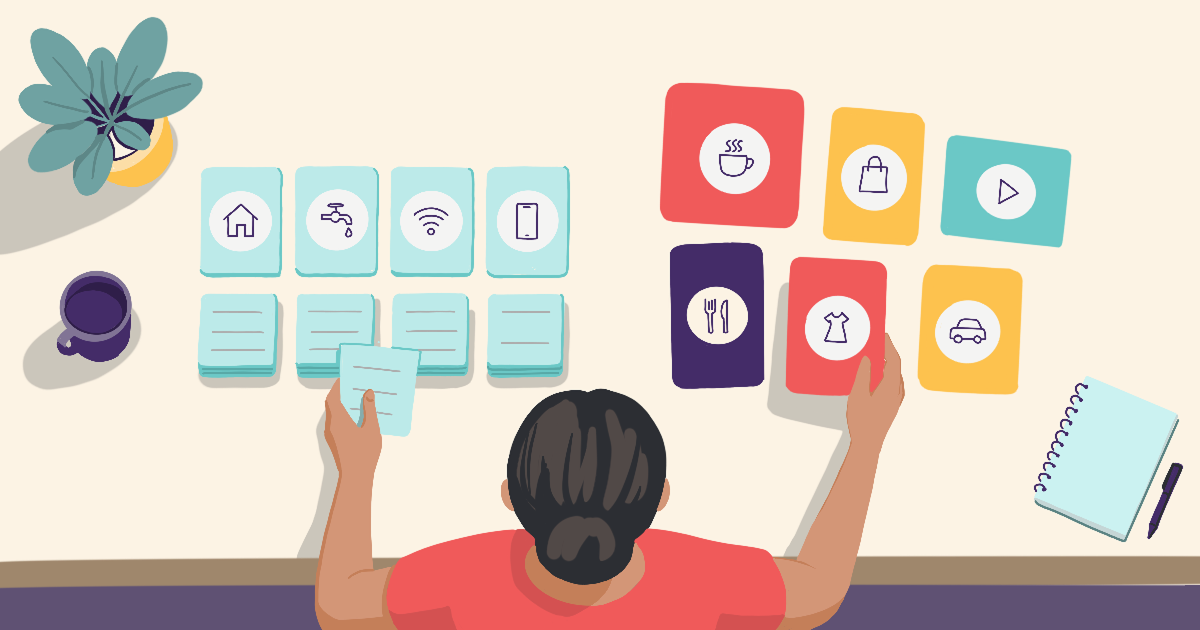
A budget is easier to manage when you know which expenses stay predictable and which ones can change during the month. This sounds simple, but it can explain why a budget that looked manageable at the start of the month now feels tight before the next payday. When regular bills and everyday spending are not separated, it becomes harder to see what you need to pay first, what can change, and where you may need to adjust.
This is the basic idea behind fixed vs variable expenses: you make some regular payments with the same amount, while other payments your depend on usage, timing, prices, and otherchoices. Rent, loan payments, insurance, and internet plans are usually easier to predict. Groceries, electricity, water, transport, medicine, and food delivery expenses might change depending on your needs and routine. Once you see the difference, it becomes easier to plan your budget. You can set aside money for fixed payments, budget for variable costs, and leave room for months when spending gets higher.
A stable budget does not mean your spending will never change. It means you know what to expect and where you can adjust. This is a simple but useful part of personal finance. It helps you track your income, monthly bills, and everyday spending more clearly. The rest of this guide shows how to use that difference to plan your budget.
What are fixed and variable expenses?
Fixed expenses are costs that stay the same or almost the same every month. Variable expenses are costs that change from month to month.
Your budget probably has both. Fixed expenses show how much you need to prepare for regular payments. Variable expenses show where you may need a limit, a buffer, or a closer look.
You do not need to remove all variable expenses. You still need food, transport, utilities, and household items. What matters is knowing which costs are already set and which ones can change.
What fixed expenses mean
When we say fixed expenses, we mean regular costs you can prepare for before the month starts.
They usually have a set amount and a clear due date. Common examples include rent, monthly loan payments, insurance, internet plans, postpaid phone plans, tuition installment plans, school service fees, and subscriptions.
For example, if your rent is ₱12,000 and your internet bill is ₱1,500 every month, you already know that ₱13,500 of your income goes to those bills. Set that money aside before you spend on groceries, transport, or other costs that can change.
Fixed expenses can make your budget easier to plan because you already know how much to prepare. But they can also leave you with less room to adjust. If too much of your income goes to fixed payments, you may have less room for savings, emergencies, or sudden household needs.
What variable expenses mean
Variable expenses are costs that go up or down depending on your needs, usage, prices, or choices.
Some variable expenses change because you use more of something. Your electricity bill may cost more during hot months. Your water bill may rise when more people are at home. Your transport costs may increase when you need to travel more often.
Other costs depend on habits and choices. Food delivery, dining out, shopping, entertainment, and personal care can change depending on how often you spend on them.
A variable expense is not automatically a problem. Groceries, medicine, transport, and household supplies are necessary. You just need to watch these costs more closely because the amount can change and affect your budget.
Fixed expenses vs variable expenses
The main difference between fixed expenses vs variable expenses is how much you can plan ahead.
You can usually write fixed expenses into your budget before the month starts. If your rent is ₱10,000, your loan payment is ₱3,000, and your internet plan is ₱1,500, you know the amount to set aside.
For variable expenses, it helps to look at what you usually spend. If your groceries often range from ₱8,000 to ₱10,000, it is safer to budget within that range instead of guessing too low.
You can also look at how quickly you can adjust each type of expense. Fixed expenses may be tied to contracts, leases, or recurring payments. Variable expenses are often easier to change within the same month. You can reduce food delivery, plan grocery trips, limit online shopping, or choose cheaper transport options when possible.
A good budget uses both categories. Fixed costs show your regular monthly payments. Variable costs show where you need flexibility.
Examples of fixed and variable expenses
It is easier to spot fixed, variable, and mixed expenses when you look at everyday spending. Many Filipino households have a mix of regular payments, changing bills, and small purchases that add up over time.
Fixed expenses
Common examples of fixed expenses include:
Rent
Monthly loan payments
Insurance
Internet plans
Postpaid phone plans
Subscriptions
Tuition installment plans
Regular school service payments
Gym or membership fees, if the amount is the same every month
These costs are usually easier to plan because the amount and due date stay the same. Still, review them from time to time. You may be paying for something you no longer use.
Variable expenses
Common examples of variable expenses include:
Groceries
Electricity
Water
Transport
Mobile load
Food delivery
Dining out
Medicine
Clothing
Gifts
Home repairs
Personal care
Entertainment
These costs can change from month to month because of usage, prices, or choices. Track them more closely so they do not quietly throw off your budget.
Mixed expenses
Some expenses have both fixed and variable parts. A phone plan is a simple example. The postpaid plan is fixed. Extra data or add-ons are variable. Utilities can work the same way. You pay them every month, but the amount changes depending on usage. Add a buffer so a higher bill does not catch you off guard.
Why fixed and variable expenses matter
Knowing the difference helps you see what you need to set aside first and what can still change. If fixed expenses take up most of your income, you may have less room for savings and emergencies. If you miss small variable expenses, your budget can look fine at first and still fall short later.
Start building your savings habit. Turn money left after monthly expenses into funds that can earn up to 8% interest per year with Salmon Time Deposit. Open an account
How to identify your fixed and variable expenses
Start with your actual spending. Check your bank records, e-wallet history, receipts, bills, and cash notes. If you can, review three months so you can spot patterns. Write down each expense, the amount, the date, and the reason. Then group similar items together, such as:
Housing
Loan payments
Utilities
Groceries
Transport
Food delivery and dining out
Medicine and health needs
Family support
School expenses
Subscriptions
Personal spending
Once you have your list, label each item as fixed, variable, or mixed.
Fixed expenses. These are regular costs with a set amount or clear plan. Prepare for them first, because they often have due dates and may charge late fees if you miss them.
Variable expenses. These are costs that change. Check them more often, because they can rise without warning.
Mixed expenses. Some expenses have both fixed and variable parts. A phone plan is a simple example. The base plan is fixed. Extra data or add-ons can change.
Utilities can work the same way. You pay them every month, but the amount depends on usage. Set aside a small extra amount so a higher bill does not catch you off guard.
Fixed budget vs flexible budget
A fixed budget and a flexible budget are two ways you can plan your spending. A fixed budget gives each category a set amount. A flexible budget lets you adjust when your actual spending changes. Both can work. Use the approach that matches how predictable your expenses are.
How a fixed budget works
A fixed budget works well for payments you can plan ahead.
Here’s a fixed budget example: you set aside ₱10,000 for rent, ₱3,000 for a loan payment, ₱1,500 for internet, and ₱2,000 for savings every month. These amounts stay the same unless your bills or priorities change. This method helps you cover payments you need to make before you spend on flexible items. It also makes it easier to see how much money you still have for variable expenses.
The downside is that it can feel too strict if your income changes or if your household has many costs that change from month to month.
How a flexible budget works
A flexible budget adjusts based on real expenses.
This works better for groceries, electricity, water, transport, and other costs that may change. For example, your grocery budget may be higher during a month with school activities, visitors, or family gatherings. Your transport budget may be lower if you stay home more often.
This is also the simple difference in flexible vs static budget planning. A static or fixed budget stays the same even when your real expenses change. A flexible budget gives you room to adjust, as long as you stay within your limits. Remember that flexible is not the same as unlimited. It means realistic.
How to budget with fixed and variable expenses
Start with your income, then subtract your fixed expenses. After that, decide how much you can spend on variable expenses.
This order helps you keep bill money separate from flexible spending.
Step 1: List down your full income first
Write down how much money you expect to receive for the month from your full or part-time jobs, business, or other sources of income you might have. If your income changes, use a smaller amount. It is safer to budget with less than to plan around money that may not arrive.
Step 2: Set aside money for fixed expenses
List down your fixed expenses and their due dates. These may include rent, loan payments, insurance, school fees, internet, subscriptions, and other regular payments.
If possible, set this money aside as soon as you receive your income. This helps you avoid spending it by accident.
Step 3: Estimate what your variable expenses could cost
Look at your past spending to estimate your variable costs. If your groceries usually cost ₱8,000 to ₱10,000, do not budget ₱6,000 unless you have a clear plan to reduce spending. If your electricity bill rises during hot months, prepare for the higher amount instead of using your lowest bill as the estimate.
A realistic budget is more useful than an ideal one that is hard to follow.
Step 4: Set weekly spending limits
Variable expenses are easier to manage when you break them into smaller limits. Instead of setting one large monthly amount for food, transport, and personal spending, try weekly spending limits. This lets you adjust earlier if you overspend in the first week.
For example, if your monthly dining-out budget is ₱4,000, you can set a weekly limit of ₱1,000. If you spend more in one week, you can spend less the next week before it affects the whole month.
In simple terms, this means deciding the amount before spending, then checking if you are still within your limits.
Step 5: Keep a small buffer
A buffer is a small amount of extra money you set aside for costs that may change. It helps when electricity bills increase, groceries cost more than expected, or when you need to pay for medicine or small repairs.
Start with what you can. Even having a small buffer can make your budget easier to manage when costs go up.
How to manage variable expenses
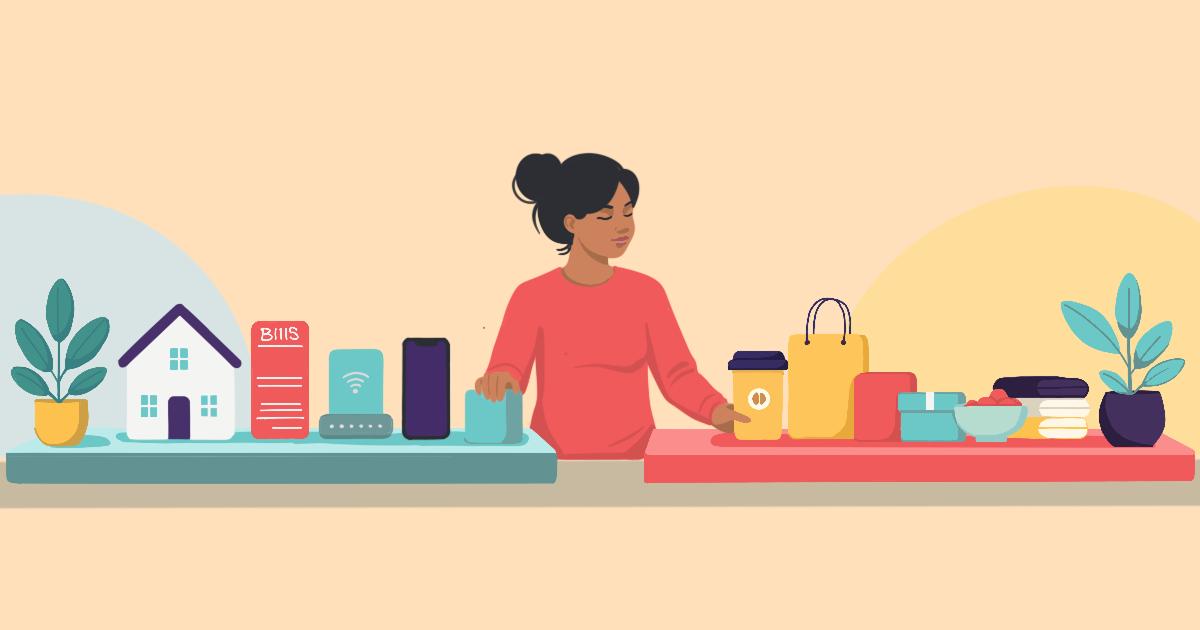
The next step is to make your variable expenses easier to manage. Since these costs can change quickly, it helps to check them often and adjust before they affect your whole budget.
Track spending before cutting anything
Before you reduce expenses, find out where the money goes. Track your variable expenses for one or two weeks. Include cash, card payments, e-wallet spending, and small purchases. You may notice that one category takes more than expected, such as food delivery and snacks, transport, online shopping, or extra grocery trips.
Once you see the pattern, it is easier to decide what to adjust.
Plan groceries before shopping
Groceries are necessary, but they can take up more of your budget when you shop without a list. A simple list helps you stick to what you need and avoid buying the same item twice. Planning a few meals for the week can also cut waste and last-minute food delivery.
You do not need a full meal plan. Even a short list for the week can help.
Check your use of utilities
Your electricity and water bills can go up when your usage changes. Small habits can help keep them in check. Turn off lights and appliances when you are not using them, check for leaks, and pay closer attention during months when bills usually rise. The goal is to notice higher usage before the bill arrives.
Set limits for your wants
Wants are a part of life. A budget that removes every small comfort can be hard to follow. Instead of trying to cut them out, set a clear amount for dining out, entertainment, shopping, personal care, or food delivery. That way, you can enjoy them without using money meant for bills.
Common budgeting mistakes to avoid
Budgeting becomes harder when you wrongly label expenses or miss small costs.
Treating all monthly bills as fixed
Some bills arrive every month, but the amount still changes. Electricity, water, and mobile use may be regular, but they are not always fixed. If you treat them as fixed and budget too low, you may be short when the bill is higher. Use an average amount or add a buffer.
Forgetting irregular expenses
Some expenses do not happen monthly, but they can still affect your budget. Examples include annual fees, vehicle registration, appliance repairs, school expenses, birthdays, medical needs, and holiday spending.
If you can, set aside a small amount each month for these costs. This makes them easier to handle when they come up.
Setting unrealistic limits
Your budget should be honest. If your household usually spends ₱10,000 on groceries, a ₱5,000 limit may be too tight unless you have a clear plan to change how you shop, cook, or plan meals.
Start with what you really spend. Then gradually lower one category at a time. That makes your budget easier to follow and easier to keep.
Ignoring small purchases
Small purchases are easy to miss. A food delivery, extra ride, or online order may not seem like much at the time. But when it happens often, these purchases can add up fast. You do not need to track every peso forever. But if you always get short on your budget, start by checking these small expenses.
Save money you can set aside for your future. Use money you do not need yet and earn up to 8% per year with Salmon Time Deposit. Open an account
Frequently asked questions (FAQs)
What are fixed expenses?
Fixed expenses are regular costs that stay the same or almost the same every month. Examples include rent, loan payments, insurance, internet plans, and subscriptions.
What are variable expenses?
Variable expenses are costs that change from month to month. Examples include groceries, electricity, water, transport, medicine, food delivery, and dining out.
What is the difference between fixed and variable expenses?
The difference is how predictable the cost is. You can usually plan fixed expenses ahead because the amount is known. Variable expenses change depending on usage, prices, timing, or choices.
Can a variable expense become fixed?
Not exactly. A variable expense can become easier to plan, but the actual cost can still change. For example, groceries are usually variable, but setting a monthly grocery limit gives you a target to follow.
How much should I spend on variable expenses?
There is no single amount that works for everyone. It depends on your income, household size, location, people you support, and needs. A practical way to start is to pay fixed expenses first, set aside savings if possible, then divide the remaining money across variable expenses.
How can I reduce variable expenses quickly?
Start with costs you can adjust this week. You can reduce food delivery, plan meals, compare grocery prices, limit unplanned purchases, check utility use, and set a weekly spending limit for wants.
Are groceries fixed or variable expenses?
Groceries are usually variable expenses because the amount can change depending on prices, household needs, and shopping habits. You can make them more predictable by setting a limit and planning before shopping.
Are electricity and water fixed or variable expenses?
Electricity and water are usually variable expenses because the amount changes depending on usage. You pay them regularly, but your bill may go up or down each month.
What is the difference between fixed costs and a fixed budget?
Fixed costs are expenses that stay the same or almost the same every month, like rent, a loan payment, or an internet plan. A fixed budget is a way of planning where you set asidespecific amounts for certain expenses before the month starts. For example, you might have ₱8,000 for groceries, ₱3,000 for transport, and ₱2,000 for savings, then adjust only when your income or needs change.
18.06.2026