Blog
What Is a Credit Score and Why Is It Important?
You may encounter the term credit score when applying for a loan or availing any financial product that involves borrowing money. It comes up often, but it is not always explained clearly. Understanding what it is, how it’s calculated, and what it means for your financial stability helps you see your current financial position before you fill out any application.
What is a credit score?
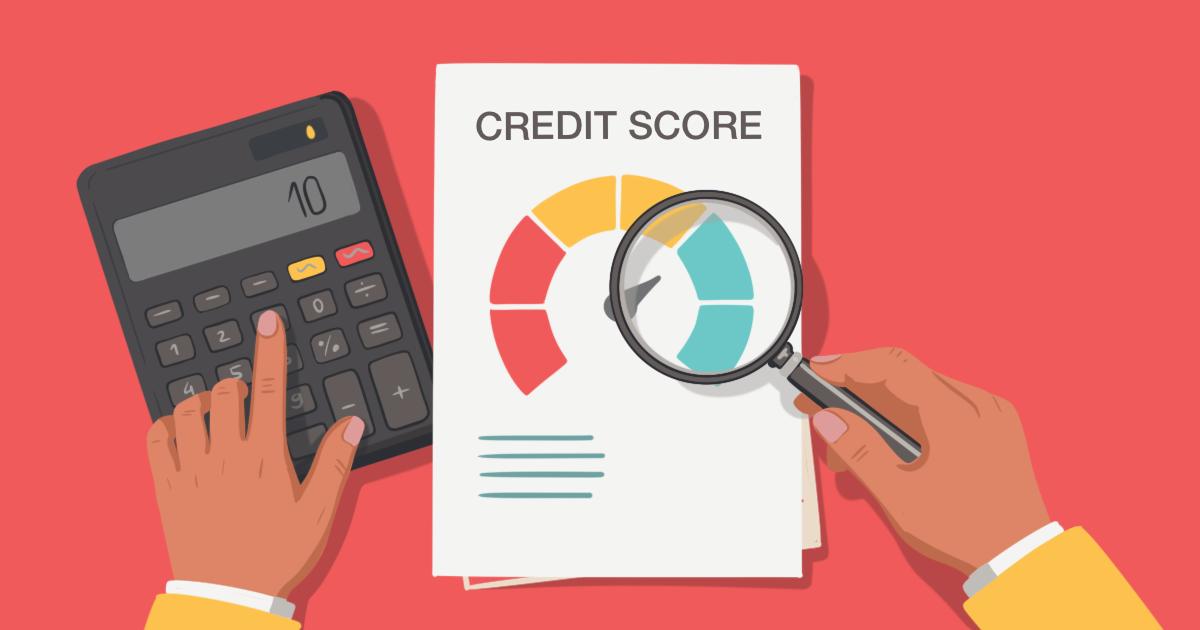
A credit score is a three-digit number that shows lenders how well you have managed your debt and repayments over time. Think of it as your credit history expressed as a single number. The higher the number, the more confident lenders are that you will pay back what you borrow.
Your score is based on your financial behavior: whether you paid on time, how much of your available credit you used, how long your accounts have been open, and how often you have applied for new credit recently. Different scoring models look at these factors in different ways, but they all try to assess how likely you are to repay what you borrow.
A credit score measures your ability to repay. Lenders use it to decide not just whether to approve your application, but how much to offer and on what terms. A strong score shows lower risk, while a weaker one may limit your options even if it does not rule them out completely.
How your credit score works and what it means
A credit score is not fixed. It changes over time based on how you manage your finances. Consistent payments help your credit rating improve, while missed payments, high balances, or applying for several credit products at the same time can bring it down.
In the Philippines, most credit scores fall within a range of 300 to 850. Higher scores indicate lower risk for lenders. Some scoring models use a different score range, but they still measure the same thing, how likely you are to repay what you borrow.
When you apply for a loan or an installment plan, lenders review your credit report and run a credit check. Your score helps them decide whether to approve your application, how much to offer, and what repayment terms to give you. This is where your financial behavior has the most impact, since it directly affects how lenders assess your application.
What affects your credit score most
A few key factors affect your credit score:
Payment history – Paying on time consistently matters most, even one missed payment can affect your record
Credit utilization – How much of your available credit you use matters, using too much of your limit can signal financial strain
Length of credit history – A longer record of managing credit helps show that you can handle it responsibly over time
Types of credit accounts – Having a mix of loans or credit lines shows how well you manage different kinds of credit
Recent credit activity – Applying for several credit products in a short period of time can lower your score, as it may suggest you are relying too much on new credit
Please take note: While these are some of the main factors, other elements can also influence your credit score depending on the credit bureau or lender.
Credit score in the Philippines
Credit scoring is still relatively new for many Filipinos. In other countries, it has been part of the financial system for decades, and people tend to know their score and why it matters. In the Philippines, the credit system is still developing. There are fewer credit bureaus, and access to personal credit information continues to expand.
Even so, the Philippines has a formal credit information system in place. Because of this, lenders across the country, from large banks to financial technology companies, use it when reviewing applications. Whether you are applying for a personal loan, a housing loan, or a credit card alternative, your credit profile in the Philippines helps them decide.
Does the Philippines have a credit score system?
Yes, the Philippines has a structured credit information system under Republic Act 9510, also known as the Credit Information System Act. In 2008, this law led to the creation of the Credit Information Corporation (CIC), which collects and centralizes credit data from banks, lending companies, cooperatives, and other financial institutions.
The Credit Information Corporation (CIC) is the country’s only public credit registry. It does not assign individual credit scores directly but collects and maintains the credit data that accredited bureaus use to calculate scores.
Credit bureaus in the Philippines
In the Philippines, the Credit Information Corporation (CIC) works with private credit bureaus. These bureaus collect financial data from lenders and use it to create credit reports for borrowers.
The three main accredited credit bureaus in the country are CIBI Information Inc., CRIF Philippines, and TransUnion Philippines. CIBI Information Inc. (formerly Credit Information Bureau, Inc.), established in 1982, is the oldest credit bureau in the Philippines and the only one founded locally in the Philippines. In comparison, CRIF and TransUnion are international firms. CIBI offers credit reports with scores through the Lista PH app, making it one of the most accessible options for consumers. CRIF Philippines is also accredited by the Credit Information Corporation (CIC) and provides credit reports with scores through direct requests. All of these bureaus use data submitted by financial institutions to the Credit Information Corporation (CIC).
How to check your credit score in the Philippines
You can now check your credit score without visiting a bureau in person or going through a lender. Accredited options are available, and at least one can be accessed through your phone.
The type of information you receive depends on the provider. In most cases, a full credit report shows your accounts, payment history, and any issues on your file. A credit score gives a quick summary. Checking your own record through an accredited channel does not affect your score, so it is worth doing before you apply.
Where to check your credit score
If you want an official credit report that includes a score, these are the main ways to check:
CIBI via the Lista PH app – download the app, create an account, and request a credit report with your score
CRIF Philippines – request your credit report directly through their official channels
The Salmon Score tool is another option. It is a free online checker that gives you a quick view of your current credit position before you apply for any credit product, without affecting your score.
How to check your credit report
Your credit score gives a quick summary, but your credit report shows the full details. It includes your accounts, payment history, balances, and any issues or disputes on file.
You can request your credit report directly from CIBI or CRIF Philippines. It helps to review it at least once a year so you can find any errors early. Even a small mistake can affect your score. Both bureaus provide clear steps you can follow to correct any inaccurate information.
Why your credit score is important
Your score affects the decisions lenders make about you. A personal loan, a home loan, an installment plan, or a credit card alternative like Salmon’s Credit Line all involve a credit check. The result influences what lenders offer you.
The importance of your credit score shows up most clearly when two people apply for the same product and receive different offers. Higher scores generally lead to better approvalchances, higher credit limits, and more flexibility on repayment. Lower scores may still qualify for some products, but the options tend to be narrower and the terms may not be as good.
Beyond individual applications, your score also reflects your financial stability over time. In the Philippines, many people are still building their formal credit history, so this record matters. The stronger it is, the more options you have to choose from if you need access to credit.
How to improve your credit score
You can improve your credit score by building a few consistent habits over time:
Pay on time, every time – Your payment history is the single biggest factor in how your credit rating is calculated. Late payments have a strong negative effect on your score. Even one overdue account can affect your record. Set reminders or automate payments so you do not miss due dates.
Keep credit utilization low – Try to stay below 30% of your available limit. Paying your outstanding balance in full regularly is better than making minimum payments.
Avoid applying for several credit products at once – Each application triggers a credit check on your file. Multiple inquiries in a short period can make it look like you are under financial pressure. This can affect your score.
Check your credit report regularly – This helps you find any errors early and monitor changes in your score. Even one incorrect entry can lower your score.
How to build your credit score from scratch
If you have never borrowed before, lenders have very little credit history to review. This can make it harder for them to assess your application, even if there is nothing negative on record.
Start by using a small, manageable credit product and paying it on time every month. This helps build your credit record over time. Only borrow what you can repay comfortably, and stay consistent with your payments.
How Salmon uses credit assessment
Salmon looks at several factors when reviewing applications. This includes data from the Credit Information Corporation (CIC), when available, as well as other information about your financial behavior and credit standing in the Philippines.
Since not everyone who applies has a long credit history, we look beyond just one number when reviewing applications. Some people are just starting out, while others may not have used formal credit products before. By considering several factors, we can better understand each applicant and make more informed decisions. This helps us offer access to credit in a way that is responsible and practical.
Know your Salmon Score before you apply for a loan
Answer a few quick questions and get your preliminary credit score in just 60 seconds. Check your score
Frequently asked questions (FAQs)
How often does my credit score get updated?
Your credit score gets updated when lenders submit new information about your accounts, usually once a month. If you miss a payment or make a large payment, you will see the change in your score after one or two billing cycles.
What is the difference between a good and bad credit score?
In the Philippines, having a score of 650 and above is generally considered good for loan approval. Scores of 700 or higher are generally considered good and may qualify for better terms. Scores between 650 and 699 are often classified as fair, while scores below 550 are typically viewed as high risk. Lenders do not rely on the score alone, but a higher score gives you better chances of approval and more flexible terms.
How long does it take to improve my credit score?
If you pay on time and reduce your balances, you may start to see improvements in your score within three to six months. More serious issues, such as missed payments over a long period, can take a year or more to recover from. What matters most is making consistent payments.
Can I get a loan with a low credit score?
Some lenders, including financial technology companies, look at more than just your credit score. They may still consider your application even if your score is low or limited. Approval is possible, but the terms may not be as good. Improving your score before applying can help you get better options.
Does having no credit history affect my credit score?
If you have never borrowed or used any credit products before, there may not be enough information to generate a credit score. This is sometimes called a thin file. It does not mean you have bad credit, but it can make lenders less certain when reviewing your application. Start with a small and manageable credit product, then pay it on time every month. This helps build your credit record over time. Making consistent payments shows lenders that you can manage your credit responsibly.
28.04.2026