Blog
Debit Card vs Credit Card: Difference, Pros and Cons
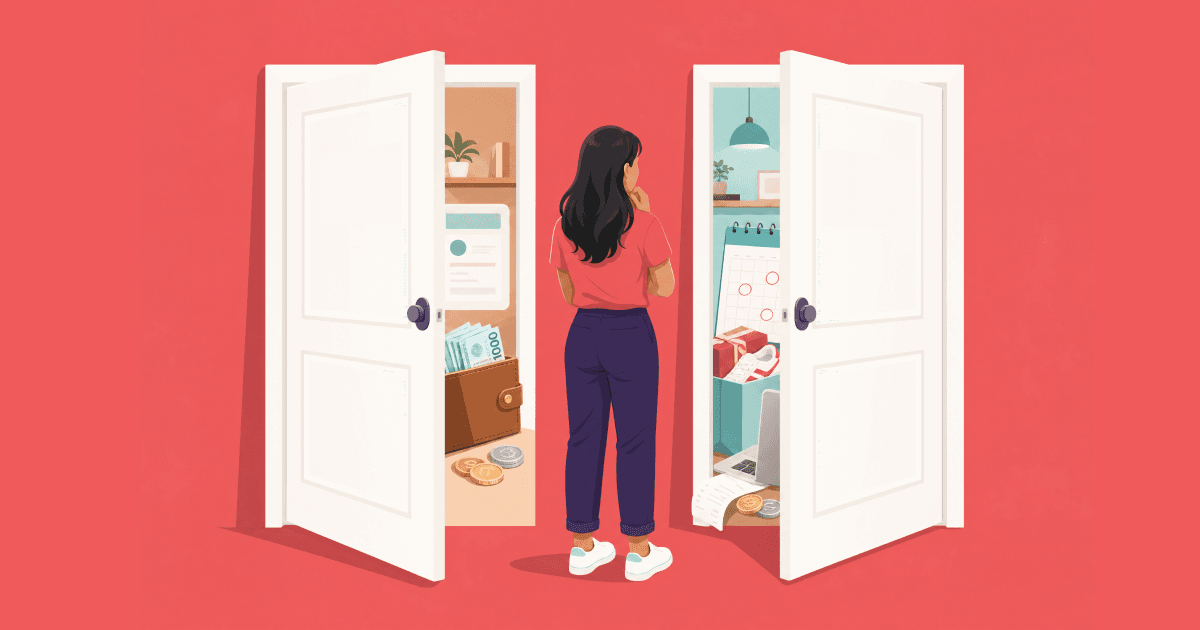
The main difference between a debit card and a credit card is where the money comes from. A debit card uses money that is already in your bank account. A credit card lets you borrow money from the card issuer, up to your approved credit limit, then pay it back later.
For many Filipinos, this choice comes up in ordinary moments: from buying groceries, paying bills, ordering online, booking a trip, to covering an emergency before the next payday. Both cards can be useful. They just work in different ways.
If the money is already in your account, a debit card is usually the simpler choice. If you are using a credit card, make sure the purchase fits your budget and you already know how you will pay the bill.
What is a debit card?
A debit card is a payment card linked to your bank account. When you use it in a store, online, or at an ATM, the money comes from your account balance.
If your account has enough money, the payment usually goes through. If the balance is not enough, your bank may decline the transaction. Your bank may also charge fees depending on your account terms.
You may already use a debit card for your salary account, ATM withdrawals, bills, online payments, or everyday expenses. It is simple because there is no separate card bill for the purchase. You are not borrowing money. You are using money you already have.
This makes your debit card useful for budgeting. You can set aside money for savings and bills first, then use your debit card for the amount left for daily spending.
What is a credit card?
A credit card is a payment card that lets you borrow money from the card issuer. You can use it for purchases, bills, online payments, bookings, and other payments your issuer allows.
Instead of taking money from your bank account right away, the purchase goes to your credit card account. Your issuer gives you a credit limit, which is the maximum amount you can borrow on the card.
The limit can be useful, but it is not extra income. Every amount you use becomes part of a bill you need to repay.
Credit cards have billing cycles. At the end of each cycle, you receive a statement. It shows your purchases, full amount due, minimum amount due, and payment due date.
This is why your due date matters. A credit card gives you time before payment, but it also gives you a bill to manage. If you pay the full statement balance on time, you may avoid interest on regular purchases, depending on your card terms. If you pay late or carry a balance, your issuer may charge interest and fees.
A credit card can also affect your credit history, which is handled by the Credit Information Corporation (CIC). If your issuer reports your payments and you pay on time, you can show lenders that you manage borrowed money well. Missed payments, unpaid balances, and constant overspending can hurt your credit record.
Debit card vs credit card: main differences
The difference between a debit card and a credit card comes down to one question: are you using your own money, or are you borrowing from the issuer?
Feature | Debit card | Credit card |
Source of money | Your bank account | Borrowed money from the issuer |
Spending limit | Your account balance | Your approved credit limit |
What happens after each purchase | The amount is taken from your account balance | Amount appears on your card bill |
Interest | No purchase interest because you use your own funds | You may pay interest if you do not pay in full or on time |
Fees | Can include ATM, account, foreign transaction, or other bank fees | Can include annual, late payment, cash advance, foreign transaction, and other fees |
Credit history | Usually does not build credit history | Can support or hurt your credit history |
Rewards | Usually fewer rewards | Can offer points, cashback, miles, or discounts |
Best for | Daily spending and budgeting | Budgeted purchases, bookings, rewards, and building credit history |
Where the money comes from
With a debit card, the money comes from your bank account. If you have ₱5,000 and spend ₱1,000, your available balance goes down to ₱4,000 once the transaction is posted.
With a credit card, you use the issuer’s credit first. You pay the issuer later. This is useful when the purchase fits your budget and you can pay by the due date. The risk starts when you treat the card like extra income.
How payments work
Debit card payments are direct. You pay, the money leaves your account, and there is no credit card bill for that purchase. You still need to watch for fees, especially for ATM withdrawals, foreign transactions, and account-related charges.
With a credit card, you still need to manage the bill after the purchase. You need to read your statement, note your due date, and know how much you need to pay. Paying only the minimum helps you avoid missing the required payment, but your issuer may still charge interest on the remaining balance.
How each card affects your budget
A debit card keeps you close to the money you actually have. This gives you a natural spending limit.
A credit card lets you pay now and settle the bill later. That can be useful when the due date and repayment amount fit your budget. You may feel the pressure when the bill arrives and you have not set aside enough to pay it.
Pros and cons of using a debit card
A debit card is useful when you want a simple way to pay without borrowing.
Pros of using a debit card
You spend only what is available. This makes a debit card easier to use for daily budgeting.
You do not pay interest on the purchase. You are using your own money, not a credit balance.
It works for regular expenses. A debit card is practical for groceries, bills, meals, subscriptions, online purchases, and ATM withdrawals.
It makes spending easier to track. Your account balance shows how much money is left after each payment.
Cons of using a debit card
It usually does not build credit history. A debit card does not normally show lenders how you repay borrowed money.
You are limited by your balance. This can be difficult during emergencies if you do not have enough money in the account.
Rewards are usually fewer. Some debit cards have promotions, but credit cards more commonly offer points, cashback, miles, or discounts.
Fraud can affect your own funds. If someone uses your debit card without permission, they may be spending money directly from your account. Report suspicious transactions to your bank or the BSP Consumer Protection page as soon as possible.
Pros and cons of using a credit card
A credit card can be useful when you treat it as borrowed money and pay attention to the due date.
Pros of using a credit card
It can support your credit history. If your issuer reports your payments and you pay on time, this shows lenders that you can manage borrowed money.
It lets you complete a payment now and settle the bill later. This is safest when the bill already fits your next month’s budget.
It may offer rewards. Depending on the card, you can earn points, cashback, miles, discounts, or other benefits.
It is often useful for online bookings and travel. Some hotels, airlines, apps, and merchants prefer or require credit cards for reservations, deposits, or verification.
Some cards include dispute or fraud protection. Read your issuer’s rules, reporting deadlines, and covered transactions so you know what is actually covered.
Cons of using a credit card
It can lead to debt. Since the money does not leave your bank account right away, it is easy to forget how much you already owe.
Interest and fees can add up. Late fees, annual fees, cash advance fees, and interest charges can make purchases more expensive.
It needs regular tracking. You need to track your statement, due date, available credit, and total balance.
It can hurt your credit history if misused. Late payments, maxing out your credit limit, and unpaid balances can make future borrowing harder.
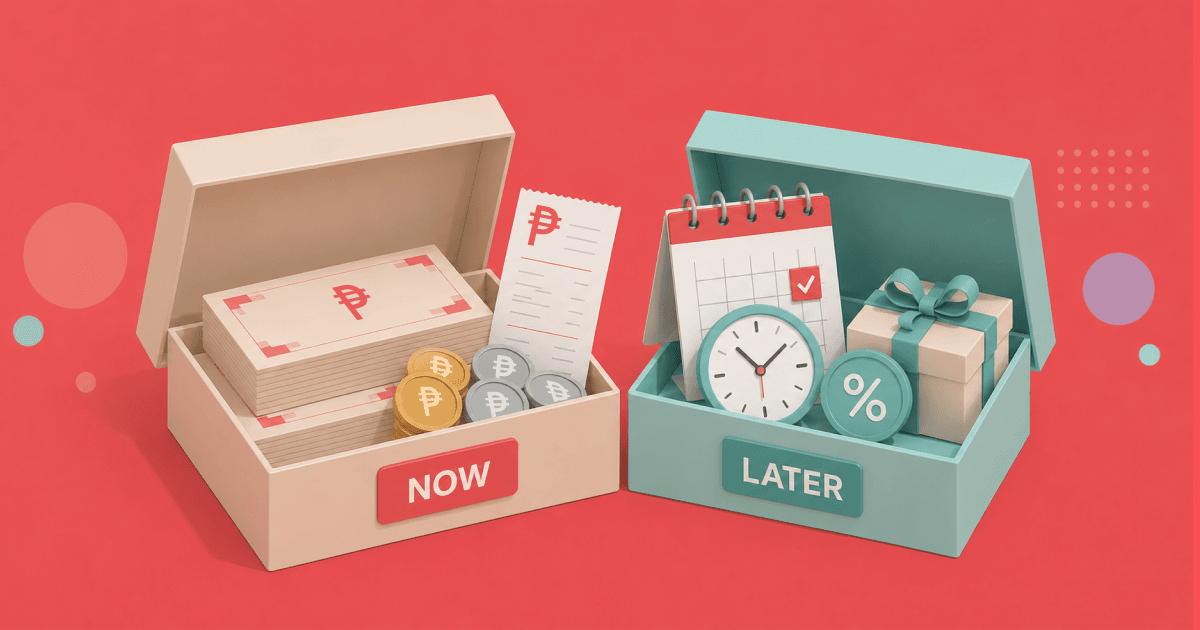
Debit or credit card: which should you use?
Choosing between a credit or debit card depends on the purchase and how you will pay for it. Start with one question: do you already have money you can set aside, or will you need to borrow and settle the bill later?
You do not need to choose one card for everything. The better choice is the one that helps you pay without creating unnecessary pressure next month.
Use a debit card when the money is already available
A debit card works well for everyday expenses. It is practical for groceries, meals, bills, transportation costs, subscriptions, and other payments when the money is already in your account.
It also supports a fixed budget. If your weekly spending limit is ₱3,000, keeping that amount in your debit-linked account makes it easier to avoid going beyond it.
Choose a debit card when you do not want to manage due dates, statements, or interest. You still need to track your balance, but there is no separate credit bill to settle.
Use a credit card when the purchase is budgeted
A credit card works better for purchases you can repay on or before the due date. This lets you pay now without carrying debt into the next month.
Choose a credit card if you want to build credit history and you can pay on time. A well-managed credit account can show that you can repay borrowed money.
For emergency payments, a credit card should stay a backup option. Before using it, know the cost, due date, and where your payment will come from.
Rewards make sense only when you were already going to buy the item. If rewards push you to spend more than planned, they lose their value.
Need a credit card alternative for planned purchases?
Salmon Credit Line lets you pay with 0% interest for up to 62 days when you pay in full on time, and 0.5% cashback on eligible payments. Apply for Credit Line
How to identify a credit card and a debit card
If you are wondering how to identify a credit card and a debit card, do not rely only on appearance. They can look almost the same. Both can have a card number, expiry date, security code, chip, and payment network logo.
Start with the card label. Some cards clearly say debit, credit, ATM, or prepaid.
Look at the account behind the card. If it is connected to your savings or payroll account and takes money from your balance, it is a debit card or an ATM card with debit features.
Look for a credit limit. If the card has an approved credit limit and a monthly billing statement, it is a credit card. Notice what happens after payment. If the amount is deducted from your bank balance, it is debit. If the amount appears on a bill you pay later, it is credit.
Your banking app or statement can also help. It should show whether the card is tied to a deposit account or a credit account.
If the card type is unclear, ask your bank or issuer before using it for a large payment, online purchase, or booking.
Is a debit card the same as a credit card?
A debit card and a credit card may look similar, but they are not the same. They are both payment cards. Many stores and online merchants accept both. Both may use PINs, one-time codes, security codes, and card networks.
But they work differently. A debit card uses money you already have. A credit card uses money you borrow and need to repay.
A debit card is useful for spending control. A credit card is useful for budgeted purchases, bookings, rewards, and building a credit record. It also carries more risk if you miss payments or spend more than you can repay.
So, if you are asking whether a debit card is the same as a credit card, the answer is no, because they can work at the same payment terminal but affect your money in different ways.
What to consider before choosing debit or credit
Before choosing, look at your habits honestly.
If you often lose track of small purchases, using a debit card can make it easier to see how much you have left to spend.
If you are organized with due dates and can pay in full, a credit card may work for purchases you already expect and could earn rewards along the way.
If your income changes from month to month, be careful with credit. Borrowing during a tight month may cover the payment now, but it can also pressure you in the next billing cycle.
If your goal is to build credit history, a debit card usually will not do that. You need a credit option that shows how you repay borrowed money.
If your goal is to avoid interest, a debit card is a simpler choice. You can also use a credit card without interest on regular purchases when you pay the full statement balance on time and follow your card terms.
A practical rule is this: use a debit card when the money is already available. Use a credit card only when you know the cost, due date, and where your payment will come from.
Want to review your credit option before applying?
Salmon Credit Line can work as a credit card alternative, with a credit limit of up to ₱250,000 and no annual fee. Know more about Credit Line
Frequently asked questions (FAQs)
What is the difference between a debit card and a credit card?
A debit card uses money from your bank account. A credit card lets you borrow from the card issuer up to a credit limit, then pay the amount back later. The main difference between a debit card and a credit card is where the money comes from and what happens after the purchase.
Is a debit card the same as a credit card?
No, because a debit card takes money from your account balance while a credit card adds the purchase to a bill that you need to repay later.
Should I use debit or credit for my purchase?
Use a debit card for everyday expenses and purchases you already have money for. Use a credit card for purchases you can repay on time, bookings, rewards, or building credit history. For any purchase, debit or credit should match your budget.
Can my debit card build credit history?
Usually, no, because a debit card uses your own money and does not normally show lenders how you manage borrowed money. If building credit history is your goal, use a credit option responsibly and pay on time.
Can I use both a debit card and a credit card?
Yes, because they can serve different purposes. You can use a debit card for everyday expenses and a credit card for purchases you can repay on time, online bookings, or building credit history. What matters is that you track your spending and pay any credit balance on time.
20.07.2026