Blog
How to Improve Your Credit Score

Planning to apply for a loan, credit line, installment plan, or another borrowing option? Your credit score may affect how lenders review your application.
A credit score helps lenders understand how you handle borrowed money. If your score is low, you may be looking for how to fix credit score issues before your next application. Start with the basics: pay on time, manage your debt, check your records, and give your good habits enough time to show for these lenders.
What does improving your credit score mean
Before you try to improve your score, it helps to know what lenders may be looking for. Improving your credit score means making your credit record look more reliable to lenders. Your score is not only about how much you earn. It also reflects how you borrow, how you pay back what you owe, and how much debt you already carry.
A cleaner record may show on-time payments, manageable balances, and careful borrowing. A weaker record may show missed payments, unpaid debt, high balances, or wrong details in your credit report.
You do not need to aim for a perfect score right away. Start with habits you can keep every month.
How does a credit score work
Once you know the goal, the next step is to understand what can move your score up or down. Not all lenders calculate credit scores the same way. Still, many review similar information, such as your credit history, payment history, debts you are still paying, and recent applications.
A credit history means a record of you borrowing and paying back money. This may include loans, credit lines, installment plans, balances, due dates, and past payments.
Your score may increase after consistent payments, lower balances, and corrected report errors. Your score may also drop after missed payments, high balances, or too many applications.
What can affect your credit score most
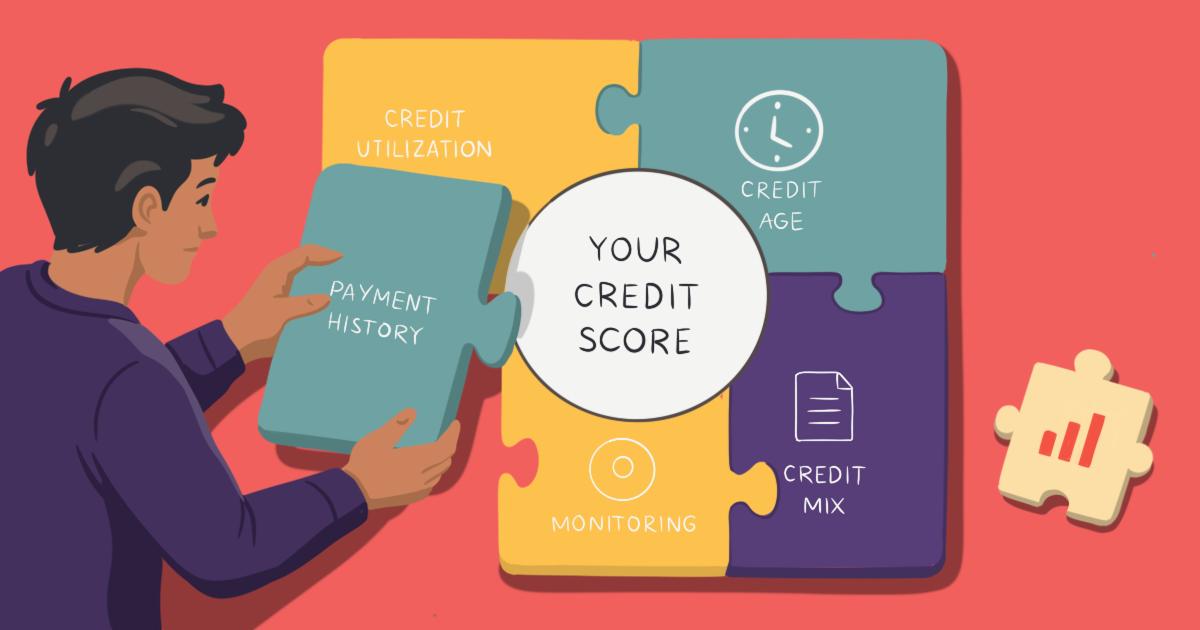
Most credit score advice comes back to a few basic details. These are the ones worth checking first:
Payment history – Late or missed payments can make lenders more careful
Debt level – High debt can make your budget look stretched
Credit utilization – Using too much of your credit limit may affect your score
Account age – Older accounts with clean records may help show experience with credit
New applications – A hard inquiry may happen when you apply for a loan or credit product
Report accuracy – Wrong details in your credit report may affect how your record is read
A credit bureau or credit information provider may collect credit information from lenders and other authorized sources. Lenders may use this information together with their own checks when they review an application.
Why some want to raise their credit score
These details matter because lenders may use them when deciding whether you can handle a new payment.
Many people want to raise their credit score because it can affect loan, credit, or installment decisions. A stronger score may help when you apply for a loan, installment plan, or credit line.
A higher score does not guarantee approval. Lenders may still check your income, job or business source, debts you are still paying, documents, and application details. Still, a cleaner record can support your loan application and help lenders feel more confident reviewing it.
People who ask how to get good credit often want the same thing: more options when they need to borrow. Good credit starts with habits that are easy to understand, even if they take time to build.
How to improve your credit score step by step
After you understand the main factors, the next step is to fix the ones that apply to you.
If you are wondering how to improve your credit score, start with the parts you can control. You do not need complicated tactics. Most of the work comes from paying on time, keeping debt manageable, and checking if your records are accurate.
The first useful step is to know what may be hurting your score. Missed payments need a different plan from little or no credit history. High debt needs a different plan from report errors.
Pay your bills on time
On-time payments are one of the clearest signs that you handle credit responsibly. This includes loans, installment plans, utilities, rent, and other regular bills.
In the Philippines, due dates can be easy to miss when payday, utility bills, family support, and installment payments fall close together. Set reminders a few days before each due date. If your income follows a fixed schedule, plan payments around payday so your budget feels less tight.
Lower how much you use your available credit
After payment history, look at how much of your available credit you are using. Credit utilization means how much of your credit limit you have already used. If your credit limit is ₱20,000 and your balance is ₱10,000, you are using half of your limit.
Lower usage may help because it shows that you are not depending too heavily on borrowed money. Pay down balances when your budget allows. Try to keep low balances instead of using most of your available credit.
Avoid applying for too many new loans within a short time
Once your balances are under control, be careful with making too many new applications for loans or credit products.
A hard inquiry may happen when a lender checks your credit record because you applied for a loan or credit product. One application may not be a big concern. Several applications close together may make your finances look uncertain.
Before applying, check if the item you want to buy matches your need and budget. Avoid sending many applications only to see who might approve you.
Check your credit report for errors
Your credit report may include your personal details, credit accounts, balances, payment history, and inquiries. If the report has wrong or outdated information, lenders may review you based on details that do not match your actual record.
If you want to check your credit report, start with the official channels available to you. A credit bureau, credit information provider, or lender may explain how to request your records, review the details, or correct information that may be inaccurate. Remember to keep in hand previous receipts, screenshots, statements, and written confirmations too. These records can help if you need to correct a payment or account detail.
Before applying for a loan or credit product, you may also use Salmon’s credit score check to get a preliminary view of your score and learn simple ways to improve it. Please take note that Salmon’s credit score check is for guidance only and is not a formal credit check.
Keep your older accounts in good standing
Older accounts with clean records may help show that you have experience managing credit. In simple terms, this means keeping the account active only if it still helps you and paying it properly.
Do not keep an account only for the sake of keeping it. Check the fees, terms, and your actual use. Keep what helps your budget and manage it well.
Reduce your existing debt without hurting your budget
Your existing debt can affect how lenders review your ability to pay back a new loan. Even if you pay on time, having too much debt may negatively affect your monthly budget.
To manage your debt properly, remember to list your outstanding balances, due dates, and minimum payments. Pay at least the minimum on every account. We also recommend that you pay more than the minimum when possible, starting with balances that cost you more or feel hardest to manage.
How quickly can your credit score improve?
If you need to apply soon, you may be wondering which actions can help first.
Many people search for how to improve credit score fast before an application. Some actions may help sooner than others, but improving your credit score usually takes time.
Correcting an error may help once your record updates. Lowering a high balance may also help when the new balance is reported. If your main issue is missed payments or little credit history, lenders may need to see several months of better habits first.
Be careful with promises that sound too easy. A safer path is to make your record cleaner and easier for lenders to review.
What to do first if you need results sooner
If you want to boost your credit score fast before applying, focus on issues lenders can easily see: overdue payments, high balances, repeated applications, and possible report errors.
Pay overdue accounts – Bring late payments current as soon as your budget allows
Lower high balances – Reduce accounts that are close to their credit limit
Review your report – Check for wrong names, outdated balances, or missing payments
Pause new applications – Avoid extra inquiries while preparing for a major application
Keep payment proof – Save receipts and confirmations in case you need to correct a record
If you are asking how to get your credit score up or how to boost your credit score, start with what lenders can clearly see: payment record, balances, applications, and report accuracy.
How to start building credit with little or no credit history
Not everyone starts from the same place. Some people need to fix old records, while others are still building their first credit history.
If you want to build credit score strength from scratch, start small. Use only credit you can repay. Pay every bill on time. Keep your records clean.
Someone trying to build a credit score for the first time may feel pressured to borrow right away. Still, starting small is usually safer than taking on a bigger debt that becomes hard to manage later.
Finding a trustworthy lender can also feel harder when you are new to credit. Some lenders may prefer applicants with an existing credit history, which can make it difficult to get started. Salmon can help eligible customers begin with smaller credit limits, giving them a way to build credit through responsible use and on-time payments.
Ways to build credit fast without doing anything risky
If you are looking for ways to build credit fast, make your first goal simple: create a clean record. Borrowing more than you need can make payments harder, which may hurt the record you are trying to build.
Start with a small product – Choose credit that fits your monthly budget
Pay on time – Protect your new record from missed payments
Keep balances low – Smaller balances are easier to manage
Avoid many applications – Give each application a clear purpose
Keep documents – Save your loan details, receipts, and confirmations of payments
The best ways to build credit fast still require you to be careful. A clean record built slowly is better than rushed borrowing that leads to missed payments.
How to rebuild credit after problems
If you need to know how to rebuild your credit, start by checking what caused the problem. Missed payments, unpaid balances, and repeated applications can all affect your score.
If old debt is still unpaid, try not to ignore it. Check what you owe, contact the lender when needed, and ask what repayment options are available. To rebuild credit, focus on current payments first. Better payment habits can help your record over time.
Credit history in the Philippines
For Filipinos, the concept of building a credit history can feel unfamiliar because many everyday money habits happen outside formal borrowing records. Many people focus on managing changing income, family expenses, utility bills, installment payments, and emergency costs instead of building a formal credit history. As a result, some borrowers may have little credit history even if they handle money responsibly.
That matters because lenders may review credit information from authorized sources, application details, income, debts you are still paying, and past payment behavior when assessing an application. A person with little formal borrowing history may have fewer records for lenders to check, while someone with late payments may need more time to rebuild trust among lenders.
How lenders may review you in the Philippines
Lenders may look at your credit score together with other details. They may check your income source, employment or business information, valid documents, current debt, and payment history.
Two lenders may review the same person differently because each lender can have its own rules. Before applying, make sure your details are accurate and your monthly payments fit your budget.
Where to check credit information
If you need to know how to check your credit report, start with the official channels. In the Philippines, the Credit Information Corporation (CIC) is the country’s public credit registry. It collects and keeps credit information from lenders and other authorized sources.
Through CIC’s Direct-to-Consumer program, you may request your CIC Credit Report through authorized Accessing Entities. A credit bureau, credit information provider, or lender may also guide you on how to request your records, review the details, or correct information that may be inaccurate.
Before applying for a loan or credit product, you may also check your Salmon Score to get a preliminary view of your credit score. Please take note that this is for guidance only and is not a formal credit check.
Simple habits that can help your credit score
Once you understand what affects your score, the next step is to build good and consistent financial habits over time to increase your credit score.
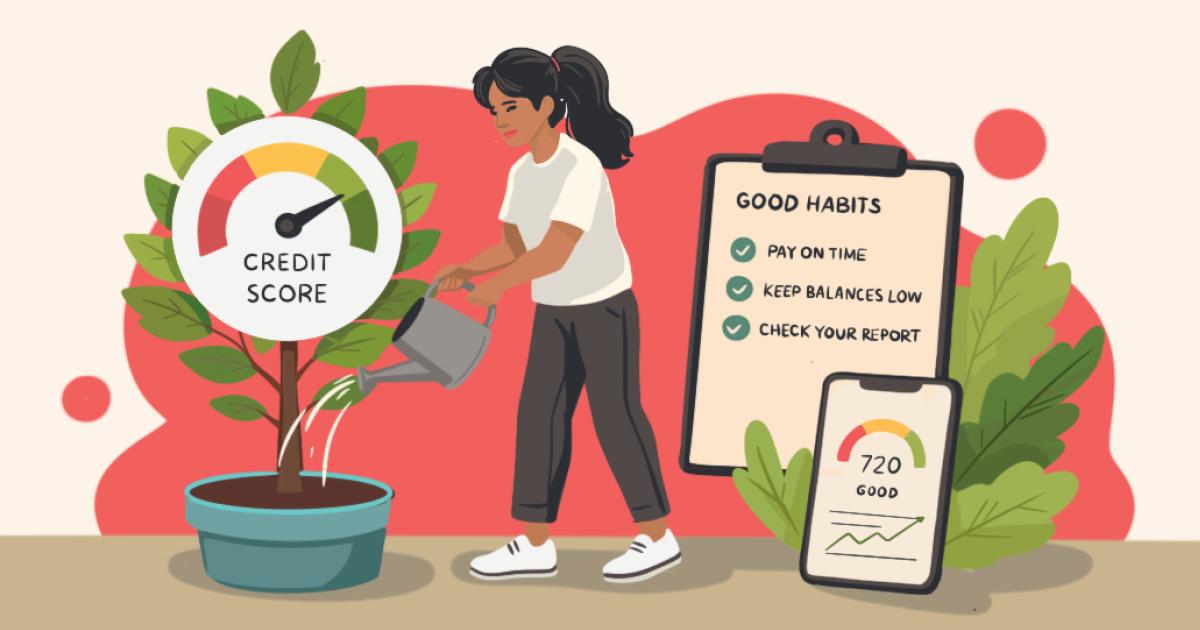
Start with the basics: pay on time, lower debt, and check your records. During tight months, focus on habits you can keep without sacrificing your budget for daily expenses.
Pay on time – Prioritize due dates for loans, installments, and bills
Keep balances manageable – Avoid using most of your credit limit
Review your records – Check for wrong details before an important application
Limit applications – Apply only when the product fits your need and budget
Protect useful older accounts – Keep clean accounts active when they still make sense
Reduce debt slowly – Pay down balances without hurting daily needs
Keep proof – Save receipts, statements, screenshots, and payment confirmations
Build credit score patiently – Stronger credit takes consistent effort over time
Some may also aim to increase their credit score to 800 or higher. A high score can be a useful goal but building a cleaner and more reliable record matters more in the long run. The same habits still help: on-time payments, low balances, accurate records, and careful borrowing.
Check your credit score with Salmon. Get a preliminary view of your score and simple tips to improve it before your next loan or credit application. Please take note that Salmon’s credit score check is for guidance only and is not a formal credit check. Check your credit score today
Frequently asked questions (FAQs)
How long does it take to improve my credit score?
Credit score improvement can take weeks, months, or longer. Correcting an error or lowering a high balance may help sooner once records update. Building stronger payment historyusually takes more time.
Can I improve my credit score fast?
Yes, you may improve credit score fast in some situations, but avoid shortcuts. Pay overdue accounts, lower high balances, correct report errors, and avoid new applications while preparing for a loan application.
How can I build credit if I am just starting?
Start small and use only credit you can repay. To build credit, pay on time, keep balances low, and keep your documents organized. A clean first record is better than a large credit limit you cannot manage.
What is the difference between a credit score and a credit report?
A credit report contains details about your credit activity, such as accounts, balances, payment history, and inquiries. A credit score is a number based on information from that record.
Can a low credit score affect loan applications?
Yes, a low score may affect a loan application because lenders may see higher repayment risk. Lenders may also check income, documents, existing debt, and internal rules before deciding.
How do you improve your credit score after missed payments?
Start by paying overdue accounts when your budget allows. Keep current bills on time, avoid new debt you cannot repay, and review your credit report for errors. Progress may take time, but steady payments can help rebuild trust.
How can I boost my credit score safely?
Focus on safe steps first. Pay on time, lower balances, keep older accounts in good standing, and avoid too many applications. Avoid offers that promise instant results.
What is a good long-term way to keep a healthy credit score?
Having good credit comes from having steady habits. This is why it’s important to pay on time, keep your debt manageable, check your records, and borrow only when it fits your budget.
24.05.2026