Blog
Personal Loan vs Credit Card: Which Is Better in the PH?
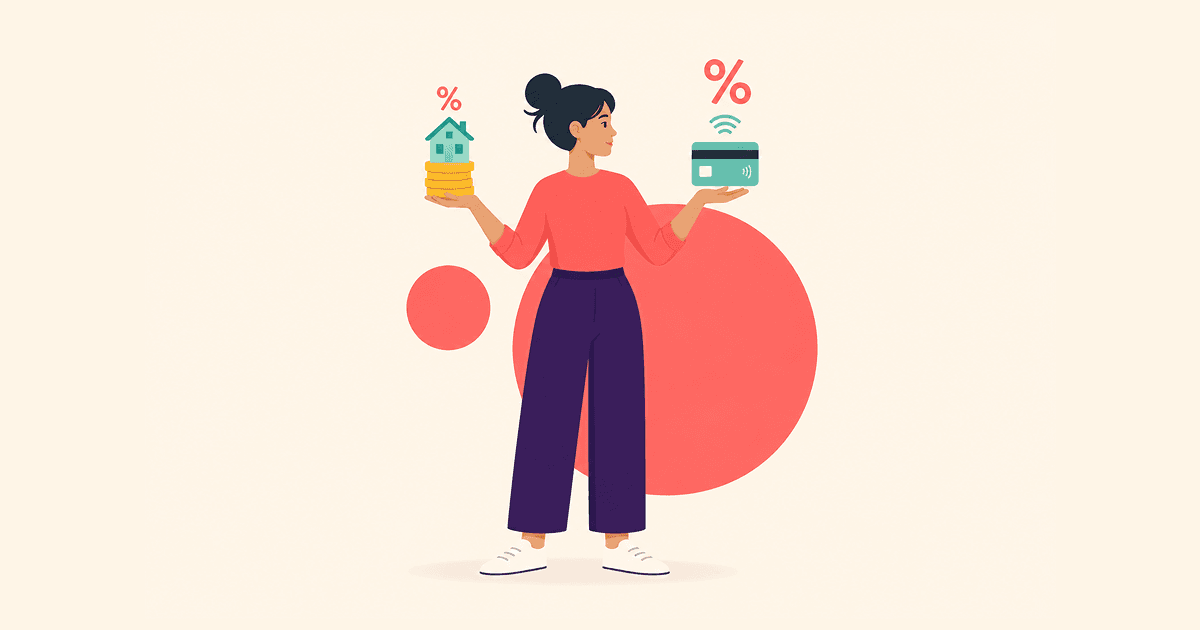
When a hospital bill, school fee, home repair, or appliance replacement cannot wait, the main question is often not whether you need to pay it, but how. You may need cash upfront, or you may be able to pay directly and spread the cost over time. Either way, you need to see how the new payment will fit alongside rent, groceries, utilities, transport, and the debts you already have.
Before you look at specific products, it helps to understand how borrowing usually works. Most options follow one of two structures: installment credit or revolving credit. Knowing the difference can help you choose a payment setup that works with your budget rather than against it.
Understanding installment and revolving credit
Installment credit gives you a set amount and payment schedule. Your obligation to repay begins once you sign the agreement, even before you spend the money. You repay it through regular installments over an agreed period, and the account has a planned end date.
Revolving credit gives you an approved limit that you can use more than once. Your obligation only begins once you actually spend, so nothing is owed before your first purchase. As you repay what you have used, that part of the limit usually becomes available again.
A personal loan is a form of installment credit. A credit card is a form of revolving credit. Salmon Credit Line also uses a revolving credit structure, although it is a different product from a credit card.
This difference affects how much you can access, how your monthly payment is calculated, whether you can reuse the credit, and when and on what amount the credit terms apply. A personal loan is the clearest place to start.
What is a personal loan?
A personal loan gives you one approved amount, which you repay through scheduled installments over an agreed repayment term. The lender sets the payment amount and due dates before you accept the loan, so you know when repayment should end.
Your loan agreement should show:
- the amount you will receive
- any deductions before release
- the interest rate and fees
- the monthly installment
- the payment dates
- the total amount payable
Read these figures together rather than focusing only on the advertised rate. A lower monthly installment may look easier to manage, but a longer term can increase how much you pay overall.
This setup can work for an expense with a known cost that you need several months to repay. You may also use a personal loan to consolidate debt by replacing several balances with one scheduled payment. Debt consolidation only helps when the new loan costs less, the installment fits your budget, and you do not build up the old balances again.
A credit card works differently because it gives you more flexibility with a reusable limit instead of releasing one fixed amount.
What is a credit card?
A credit card lets you spend up to an approved limit. You can use the whole limit at once or only part of it — the remaining balance stays available for you to spend later. Each month, you repay all or part of your balance, and the amount you repay usually becomes available again.
Your monthly statement shows:
- the purchases and other transactions made during the billing period
- the statement balance
- the minimum payment
- the payment due date
- any interest or fees charged
You may avoid interest on eligible purchases when you repay the full amount you used within the grace period — the set number of days after your statement when no interest applies.
The minimum payment is simply the smallest amount required for that statement. It is not the amount you should aim for when you want to pay off the balance quickly. Paying only the minimum keeps part of the balance unpaid, which means interest may continue to build.
The differences become clearer when you compare the two side by side.
Difference between a credit card and a personal loan
The clearest difference is the repayment structure. A personal loan follows a fixed schedule, while a credit card lets the balance and required payment change from month to month.
| Point of comparison | Personal loan | Credit card |
|---|---|---|
| Access to money | You receive one approved amount | You spend from an approved limit as needed |
| When interest charge starts | From the date it is opened | From the date you use it, after grace period |
| Repayment | You follow a set installment schedule | You may pay the full balance, the minimum, or another allowed amount |
| Monthly payment | Usually stays predictable | Changes based on your balance, transactions, and payments |
| Planned end date | Repayment ends after the final installment | Remains available anytime until you close the credit card |
| Reusing the credit | You usually need another application or offer | Non-used and repaid amount is available to use again |
| Budgeting | Easier to plan over a fixed period | Requires closer attention to the balance each month |
| Main risk | The fixed installment may become difficult to maintain | Your obligations and monthly payment can grow if you keep spending |
Do not judge affordability by the first payment alone. Add the expected payment to your regular expenses and existing debts. If you would need to borrow again to cover food, rent, utilities, or transport, the amount is probably too high.
Once the repayment setup looks manageable, compare the full cost over the same amount and repayment period.
Credit card interest vs personal loan interest
The interest rate alone does not show which option will cost less. Compare the amount you receive or spend, the fees, the payment schedule, and the total amount payable over the same period.
For a personal loan, check whether any fees will be deducted before the money is released. An approved amount of ₱30,000 may leave you with less than ₱30,000 in cash, even though repayment is based on the amount stated in the agreement.
Also review the effective interest rate and total amount payable. These figures give you a clearer view of the cost than the advertised rate alone.
For a credit card, the cost depends on the transaction and how you repay it. An eligible purchase may not incur interest when you repay the full amount you used within the grace period. Interest on an unpaid balance, cash advance, or transfer may begin sooner.
Before using a card, check:
- when interest begins
- how interest is calculated
- how to repay without interest
- which fees apply
- whether new purchases will affect the balance
- how long repayment will take
Example: paying a ₱30,000 expense over six months
This example is for reference only and does not represent a current offer.
Assume both options use a 9% annual interest rate on the remaining balance, with no additional fees. For the personal loan, the payment stays fixed each month. For revolving credit, assume you repay ₱5,000 of the principal each month, plus the interest charged on the remaining balance.
| Month | Personal loan | Revolving credit |
|---|---|---|
| 1 | About ₱5,132 | ₱5,225.00 |
| 2 | About ₱5,132 | ₱5,187.50 |
| 3 | About ₱5,132 | ₱5,150.00 |
| 4 | About ₱5,132 | ₱5,112.50 |
| 5 | About ₱5,132 | ₱5,075.00 |
| 6 | About ₱5,132 | ₱5,037.50 |
| Total paid | About ₱30,792 | ₱30,787.50 |
In this example, the total cost is almost the same because the amount, rate, and repayment period are similar. The main difference is how you repay: the personal loan keeps the monthly payment predictable, while the revolving credit payment decreases as the balance goes down.
Paying the full revolving credit balance during an applicable grace period is another option and may avoid interest altogether. Treat that as a separate repayment scenario rather than comparing it with a six-month plan.
When to consider revolving credit
Revolving credit may work for a purchase you can pay for directly and expect to repay within a short period. It can also be useful when you need to make several separate purchases without applying for new credit each time.
Revolving credit can also cover many of the same expenses as a personal loan — like a hospital bill or a major appliance — if you can repay them quickly, as well as everyday online transactions.
You might consider it for:
- an online or in-store purchase
- a subscription
- a travel booking
- a smaller unexpected expense that you can pay directly
Because you can continue using the account, new purchases can make an existing balance harder to pay off. Before spending, work out how much you can pay each month and how long it will take to clear the balance.
Do not choose revolving credit mainly for rewards. Interest and fees on an unpaid balance can cost more than the cashback or points you earn.
The application path and terms depend on the provider, the product, and your customer status.
When to choose a personal loan
A personal loan may suit a one-time expense with a fixed cost, especially when you need cash and expect to repay it over several months.
You might consider one for:
- a hospital bill
- tuition or other school expenses
- an urgent home repair
- a major appliance
- several debts you want to combine into one payment
Before accepting an offer, check whether the installment would still be manageable during a month when your income is lower or another large bill comes up. If you would need to use another loan or credit account to cover regular expenses, consider borrowing less.
A longer repayment term can reduce your monthly installment, but it may increase the total amount payable. Review both figures before deciding.
Check for a Salmon Personal Loan offer
See whether an offer is available in the Salmon app and review the amount, term, and total cost before you decide. Learn about Salmon Personal Loan
Whichever type of expense you're financing, review the full terms in your Salmon app offer before you accept it.
Explore your options with Salmon
Salmon offers installment credit through Salmon Personal Loan and revolving credit through Salmon Credit Line.
- Salmon Personal Loan is available through personalized offers to eligible customers. If an offer appears in the Salmon app, you can review the amount, repayment term, monthly installment, interest, fees, due dates, and total amount payable before accepting it.
- Salmon Credit Line gives approved customers a reusable limit for purchases made through QR Ph or the Salmon virtual card. These purchases can qualify for up to 62 days at 0% interest when you pay the required 0% Interest Payment by the due date.
You can also split eligible Credit Line purchases into fixed payments in the Salmon app. The app shows the payment amount and fee before you confirm. No separate application is needed when this option is available on your account.
The Salmon app will show the application or offer available to you, together with the terms you need to review before proceeding.
Get more time to pay eligible purchases
Use Salmon Credit Line for QR Ph and virtual card purchases, with no annual fee and up to 62 days at 0% interest when you make the required payment by the due date. Apply for Salmon Credit Line
Whichever product you use, your payment history and outstanding balances may affect your credit record.
How borrowing may affect your credit record
Participating financial institutions submit information about your accounts to the Credit Information Corporation, or CIC. This may include your outstanding balances, payment history, and overdue amounts.
Paying by the due date helps you build a record of on-time payments. However, you can pay on time and still carry a large balance.
For revolving credit, pay attention to your credit utilization—the share of your approved limit that you are currently using. A ₱30,000 balance on a ₱50,000 limit means your utilization is 60%. Paying down the balance lowers that percentage.
Having several credit accounts does not automatically improve your credit record. Your payment history, balances, new applications, and total debt are more important than the number of accounts you have.
You can request your CIC credit report and ask for corrections if any information is incomplete or inaccurate. Your credit report shows how you have handled past borrowing. To understand what a new product may cost, review its disclosure for interest, fees, and other charges.
Look beyond the interest rate
Fees and other charges can change how much borrowing costs you overall.
A personal loan may include:
- a processing fee
- an insurance charge
- a late payment fee
- an early repayment fee
- taxes, if any
Revolving credit may include:
- an annual fee
- a late payment fee
- a cash advance or transfer fee
- a foreign transaction fee
- a balance transfer fee
Not every charge applies to every product. Check which fees will be deducted before you receive the money, added to your balance, or charged when you use the account in a particular way.
Under the Philippine Truth in Lending Act, creditors must provide a written disclosure of the amount financed and finance charges before the transaction is completed. Review this information together with the payment schedule and due dates before accepting the loan or credit.
The final choice comes down to four practical questions about how you will use and repay the money.
Which option works better for your situation?
- Do you need cash, or can you pay the merchant directly? If you need cash, compare a personal loan with a cash advance or transfer—not with a regular purchase.
- Can you make the payment required to avoid interest by the due date? Revolving credit may cost less for an eligible purchase when an interest-free period applies and you meet the payment requirement on time.
- Will you need several months to repay the expense? A personal loan may be easier to plan when you want fixed installments and a clear final payment date.
- Will the payment leave enough for your regular expenses? If not, consider borrowing less, comparing a different repayment term and its total cost, or postponing the expense.
Some situations need a closer look, including paying off card debt, using a cash advance, holding both types of credit, and managing repayments after a loss of income.
Frequently asked questions
What is a credit card cash advance, and could it cost less than a personal loan?
A credit card cash advance lets you withdraw or transfer cash using your available limit. It could cost less, but only if the cash advance fee and interest over the same repayment period are lower than the personal loan’s total cost.
Compare the cash you will actually receive, when interest begins, and how much you will pay over the number of months you expect to repay it.
Can I have a personal loan and a credit card or credit line at the same time?
Yes, you can have both if you qualify and can manage the separate due dates and payments.
Before accepting another account, add both required payments to your regular expenses. Having both accounts does not automatically improve your credit record.
What happens to my loan or credit balance if I lose my job?
You still need to repay the debt unless the provider agrees to change your payment terms. If you miss payments, interest and late fees may continue, and the missed payments may affect your credit record or lead to collection activity.
Contact the provider before the due date, explain that your income has changed, and ask what payment arrangements are available. Do not assume the payment amount, due date, or fees have changed until the provider confirms the new terms. Save a copy of the confirmation for your records.
24.08.2026